Radio Bulgaria


Author
Veneta Nikolova
News
Successes but also a sense of uncertainty: behind the scenes of tourism in 2025
Friday 19 December 2025 07:05
Friday, 19 December 2025, 07:05
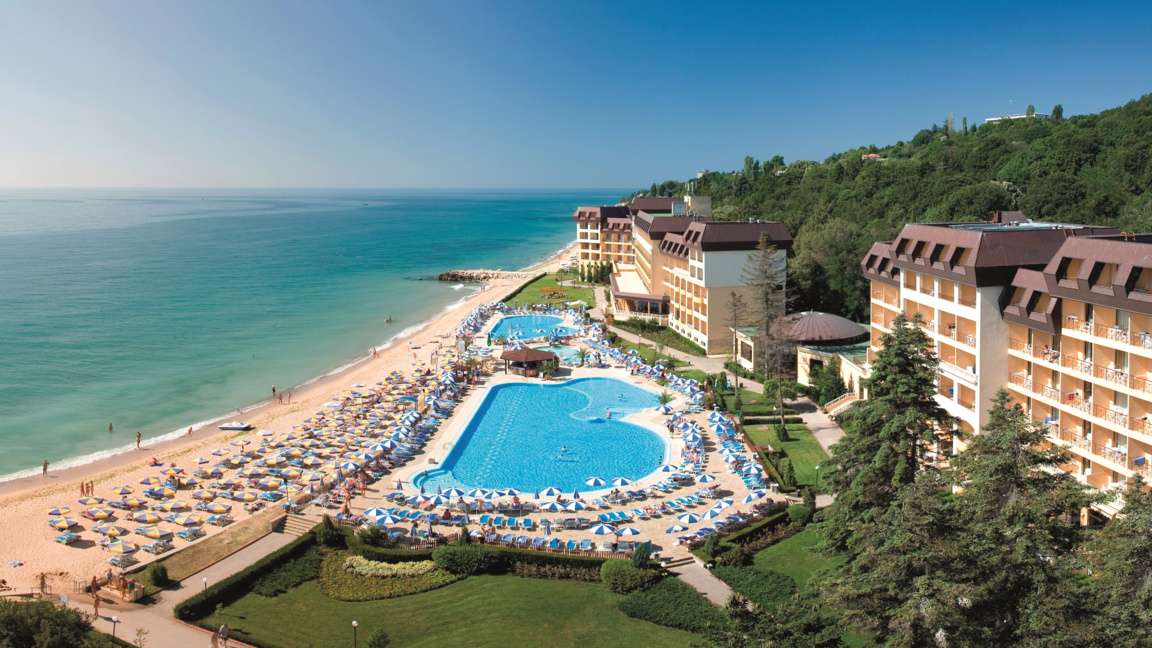
PHOTO visitbulgaria.com
Font size
Stability, slight growth, and sensitivity to any external shock shape the picture of Bulgarian tourism in the outgoing 2025. The final annual data for the sector is not yet available, but industry representatives report a calm and successful year against the backdrop of political turbulence and questions surrounding Bulgaria’s accession to the Eurozone.
According to tourism expert Konstantin Zankov, growth in the sector varies significantly — from 2% to 15%. However, these numbers must be assessed carefully:
“Some destinations have a 10–15% growth. If we look at Shabla (in the northern Black Sea region), Belogradchik (Northwestern Bulgaria) - they may show big increases. But when you look at the large accommodation bases in Sofia, Plovdiv, Varna, Burgas - it’s not anything extraordinary. The best performers were SPA destinations. They managed to maintain high occupancy throughout the year. Winter resorts open during the summer also performed well. In terms of revenue growth, we can speak of around 5%, but it all depends on how you interpret the statistics.”
On the threshold of the snow season – will Bulgarian tourism surpass the levels of winter 2025
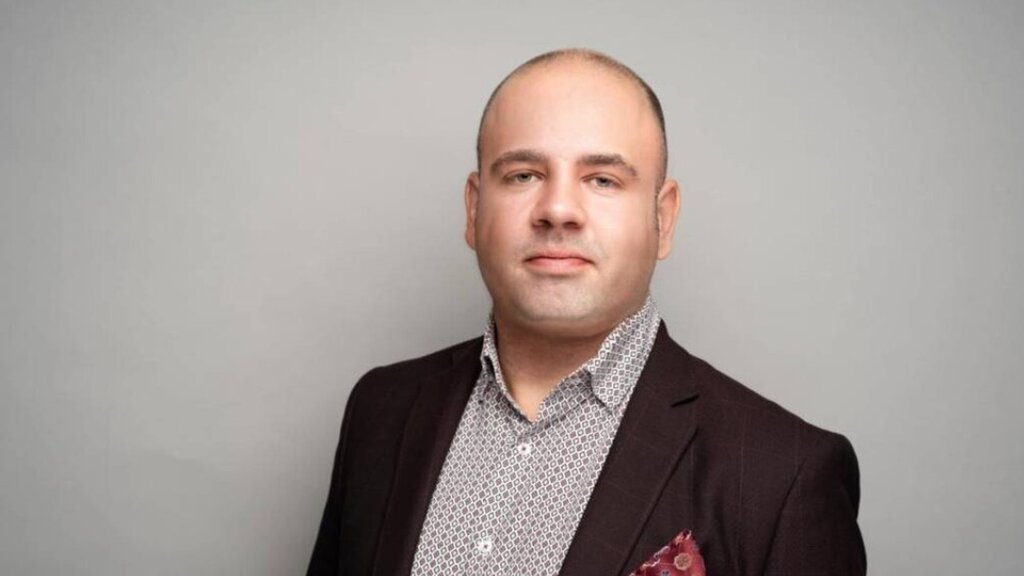
Konstantin Zankov
PHOTO Ivan Gergov
Seasonality remains a problem for the sector, despite climate changes and the lengthening of the summer period. Zankov notes that the early closure of hotels and restaurants along the Black Sea coast deprives them of their real potential:
“September is a great time for seaside vacations, and I also go then — the weather is good, prices more acceptable, quality higher, but many destinations are depopulated. After 6–7 September, restaurants and attractions close en masse, and people end up staying somewhere where they only sleep and eat at the hotel, without access to other experiences. Hotels offering SPA attractions perform very well. But there is no communication between businessес and the state, or the municipality, to jointly develop the product. We could easily stay open until mid-October, hold events and festivals, but many entrepreneurs just go on autopilot.”
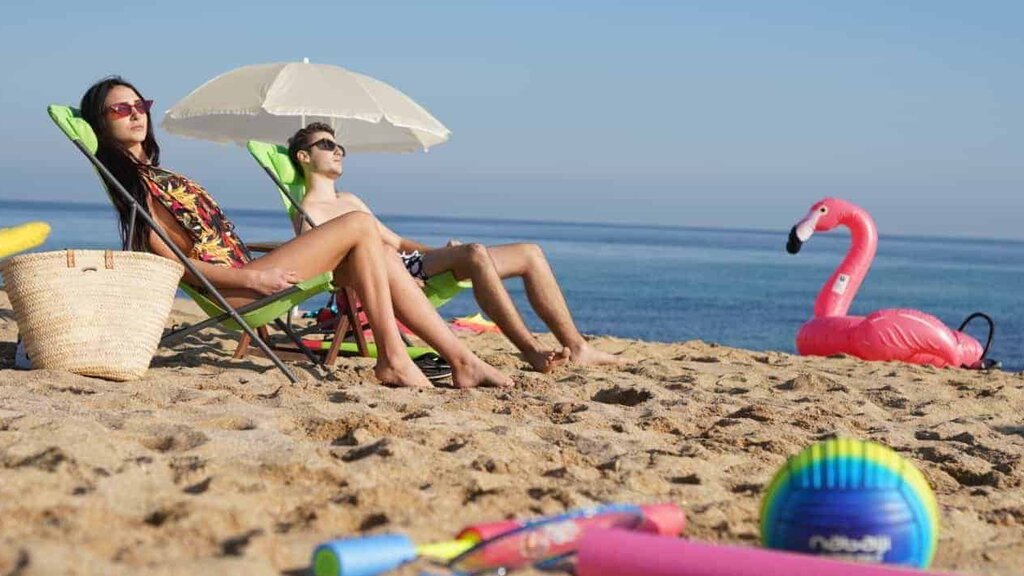
PHOTO visitbulgaria.com
In the northern Black Sea region, the situation is moderately positive. Mayor of Shabla Municipality Marian Zhechev describes a season in which growth is steady, although not high. The profile of tourists in 2025 remains unchanged — mostly independent holidaymakers preferring self-organized travel:
“Looking at the seasons one after another, the steady increase of tourists and overnight stays registered in our tourist information system continues by about 5%. Given the strong competition with Greece and the limitations of some northern markets like Ukraine and Russia, the season still turned out to be successful. The losses were partially compensated by tourists from Moldova, but we mainly relied on Bulgarian and Romanian visitors.”

PHOTO visitbulgaria.com
From the perspective of organized tourism, 2025 is evaluated as very successful. Pavlina Ilieva from the association “Future for Tourism” reports that business performed well but acknowledges the challenges tour operators faced:
“You know that the war between Russia and Ukraine has a strong impact. This year we had bans on trips to Russia, and the Suez Canal problem blocked travel to and from Israel and Jordan. But for us, the most complicated problems remain those related to political and economic upheavals or natural disasters, which are difficult to manage and directly affect tourist packages and business planning.”
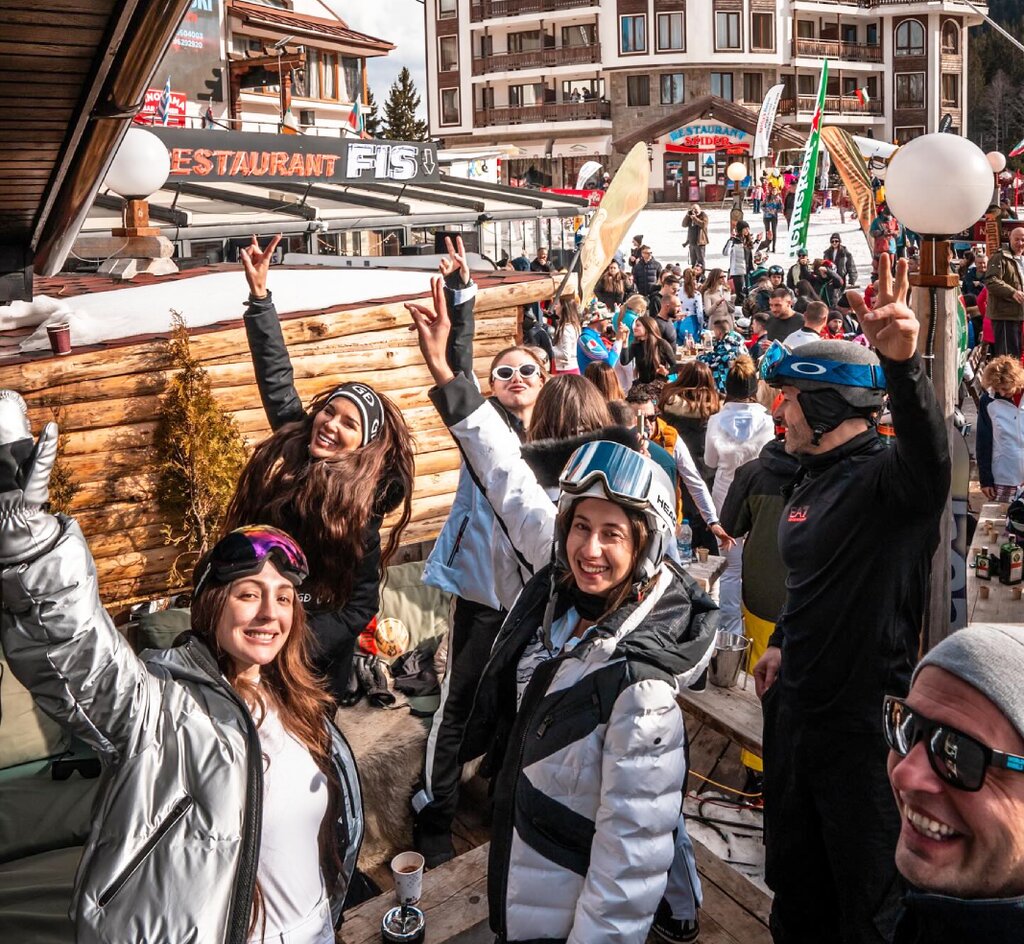
PHOTO pamporovo.me
In 2025 the industry faced familiar obstacles again — labor shortages, inflation, political shocks, and uncertainty. According to Konstantin Zankov, the introduction of the euro on January 1 carries the risk of suppliers raising the cost of basic services, which will automatically be transferred to the final tourist product. In addition, the business sector is awaiting clarity on the 2026 budget and the rules under which it will operate in the coming months:
“This applies to every business — regulations like SUPTO (state control software for sales), and things like social insurance, tax policy… This uncertainty worries all businesses, including tourism. For now, it does not strongly affect demand - there is no visible decline - but it worries the entrepreneurs who plan revenues and expenses very precisely in order to calculate their numbers,” Zankov concluded.
English version: R. Petkova
This publication was created by: Rositsa Petkova