Radio Bulgaria


Author
Gergana Mancheva
News
Dr. Radostina Todorova helps many Greeks and Bulgarians in Athens
Electronic records and technology cannot replace human contact in medicine
Monday 15 December 2025 11:49
Monday, 15 December 2025, 11:49
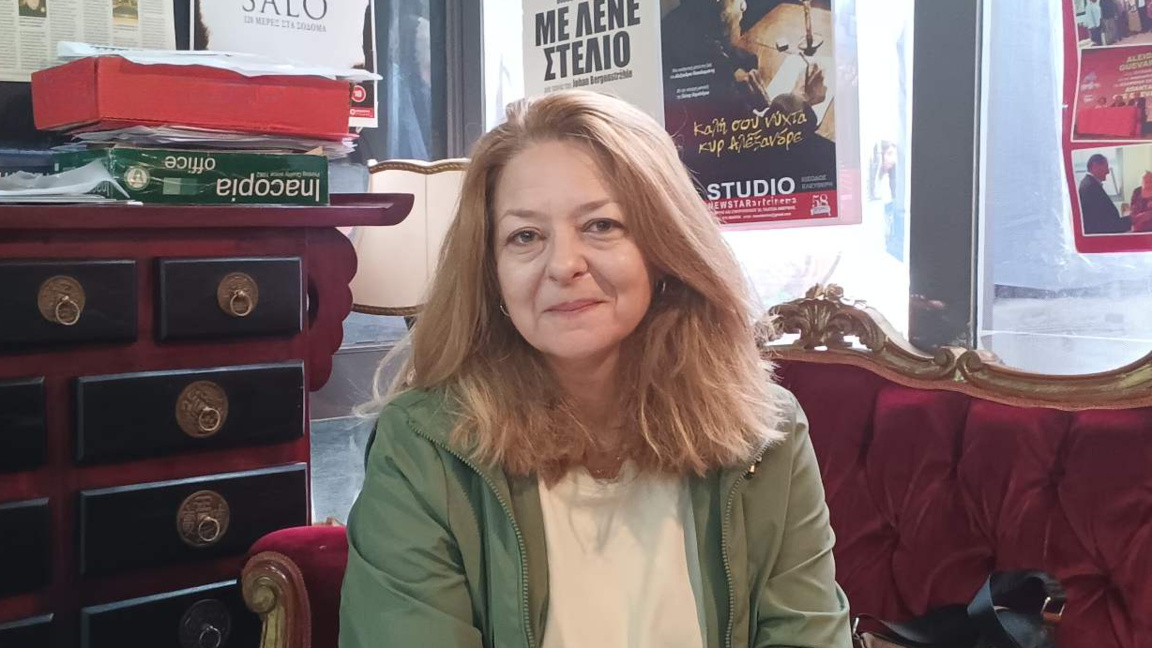
Dr. Radostina Todorova
PHOTO Gergana Mancheva
Font size
She is a Bulgarian doctor who every day encounters both the benefits and the weaknesses of new technologies entering medical practice. Radostina Todorova was born in Burgas, but has been living with her family in Greece for 25 years. She graduated from medicine in Bulgaria but did not practice in the country. She went to Greece, where to this day she works as an internal medicine specialist in a private office and at the same time provides consultations to patients in a large private hospital. Since she started her medical practice in Athens, her office has been visited by many Bulgarians.
"I return to Bulgaria often. Generally speaking, I come once every 3-4 months, because my relatives are there. The good thing is that healthcare in Bulgaria has been improving - new hospitals are being built, there are competent doctors and specialists. I cannot make a comparison with Greece because the system was already established when I arrived. It is important that doctors are well paid, because they dedicate their lives to the profession and have no opportunity for another career path, so a low salary limits their future in the country."
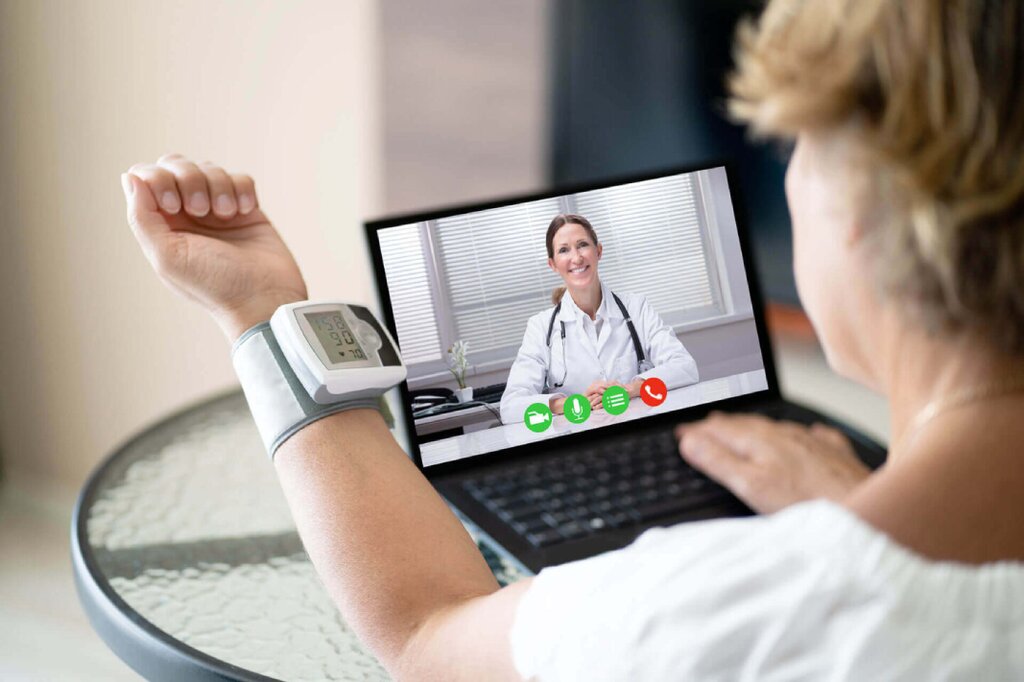
PHOTO tediselmedical.com
Telemedicine is rapidly entering the practice of Greek doctors, but this also hides problems - it only works in the beginning. From then on, the screen and digital assistants cannot provide that in-depth view and comprehensive assessment of the patient's condition, the Bulgarian doctor says and continues:
PHOTO freepik.com
"Human contact cannot be replaced by anything. The electronic file is something necessary and it has been introduced everywhere in Greece. Every patient has an electronic file. There you can see many things that happened 10-15 years ago with a given patient, so it helps a lot in the doctor's practice. The bad thing is that filling it out takes a lot of time. And if you don't have help from a nurse or secretary, your work doubles - instead of examining patients, you fill out documents. In the end, the doctor becomes both a secretary and a nurse. But that's the system now and we need to adapt."
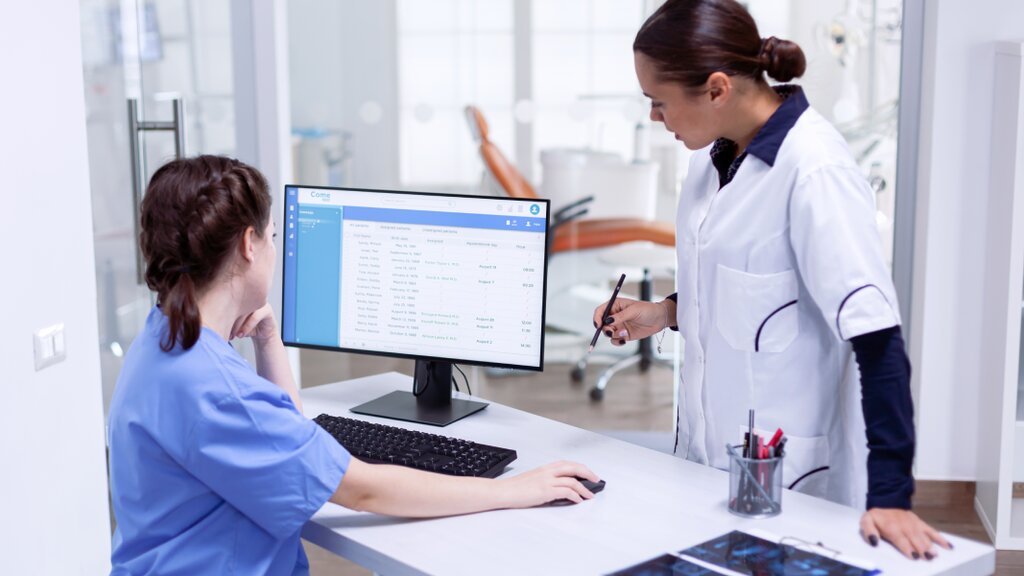
PHOTO freepik.com
Radostina lives in Greece because of love. She jokingly calls herself a "love migrant." She met her future husband, who is a Greek, while they were still students and then the two went to Athens and started their careers there. She says that the beginning was difficult, but she gradually adapted. Today she works almost without a break – even on weekends, and her only vacation is the two summer weeks when she returns to her relatives in Burgas.
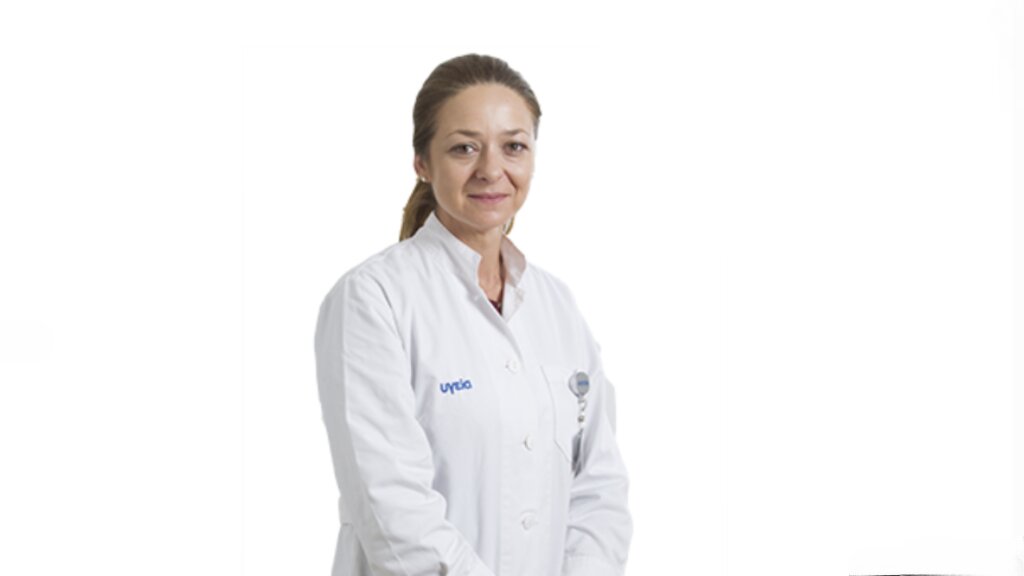
PHOTO hygeia.gr
"I think that society in Bulgaria is starting to see the difference between the previous healthcare and now and is starting to support the work of the doctors more. Young specialists should stay in Bulgaria, because there is a need for doctors in the country. When I return to Bulgaria, I see a positive change – access to hospitals and specialized care is becoming easier. Although not everything is covered by health insurance, the important thing is that a person has access to a doctor. I always encourage patients to seek a second and third opinion, especially for complex procedures. This way they can compare the recommendations of different specialists and make an informed decision that is truly tailored to their needs," Dr. Radostina Todorova says in conclusion.
This publication was created by: Alexander Markov