Radio Bulgaria


Author
Albena Bezovska
Saturday 20 December 2025 08:50
Saturday, 20 December 2025, 08:50
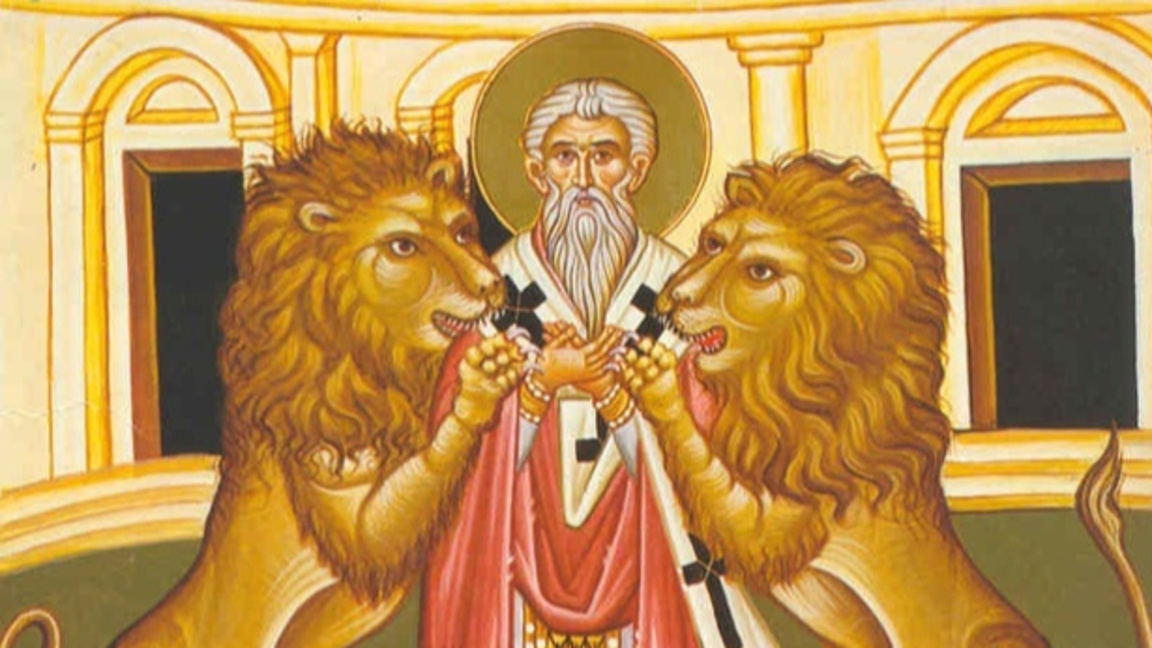
PHOTO BNR
Font size
In the traditional Bulgarian calendar, the day marking the beginning of the Christmas festivities is known as Ignazhden. It is named after the holy martyr St Ignatius the God-bearer, whose memory the Orthodox Church commemorates today, 20 December. Another folk name for the holiday is Polazovden, Polyazovden, or simply Polaz.
But what does polaz mean? What beliefs and rituals are associated with Ignazhden? And, according to tradition, what is permitted—and what is forbidden—on this day?
Let us begin by noting that the folk festival has nothing in common with the church feast, apart from the name of the holy martyr. It is said that Ignatius was the child referred to by the Apostle Matthew. Matthew recounts a dispute among Christ’s apostles as to who among them was the greatest. To teach them a lesson, Jesus embraced a child and said:
“Truly I tell you,” he said, “unless you change and become like little children, you will never enter the Kingdom of Heaven. Therefore, whoever humbles himself like this little child is the greatest in the Kingdom of Heaven. And whoever receives such a child in my name receives me.”
According to other sources, Ignatius himself explains that he bears the name God-bearer because he experienced an exceptional and deeply conscious communion with Christ. A disciple of the Holy Apostle and Evangelist John the Theologian, Ignatius later became Bishop of the Church of Antioch. In the Orthodox Church, his feast day falls near, but not on, the winter solstice (22 December).
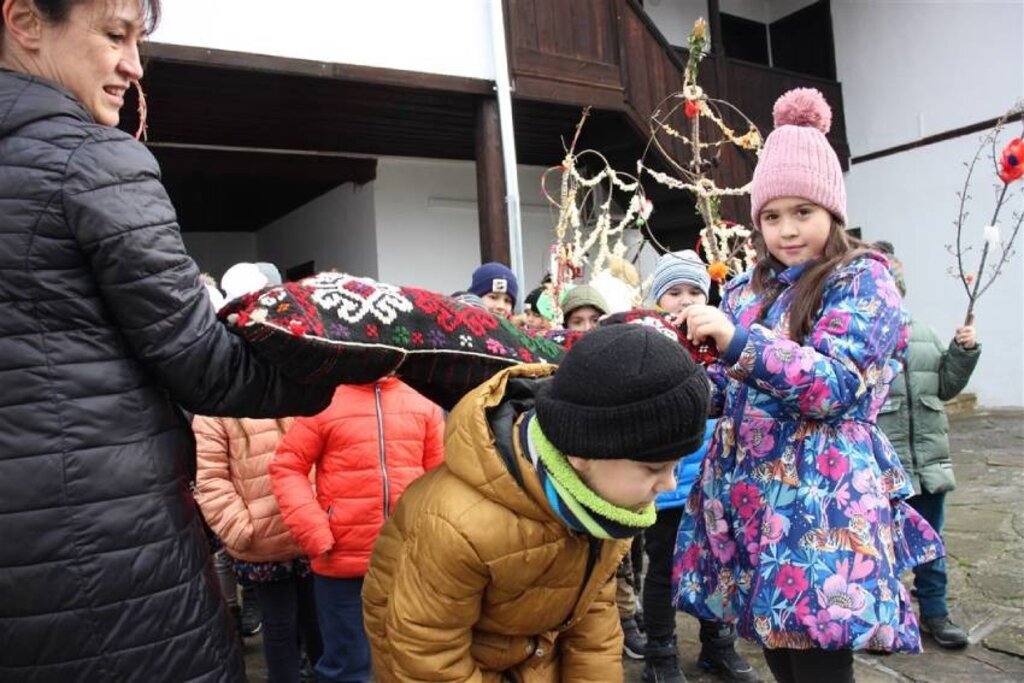
The Ignazhden tradition recreated by schoolchildren at the Ethnographic Museum in Razgrad.
PHOTO BNR
The entire ritual cycle from Ignazhden to Christmas is dedicated to the birth of the new sun—the Young God. The world prepares to welcome this new beginning, to nurture it in its earliest days while it is still fragile, and to protect it from malevolent forces. In Bulgarian tradition, it was believed that the Virgin Mary began to experience labour pains on Ignazhden, which is why, for the first time on this day, people sang: “The Mother of God went into labour, from Ignazhden to Christmas.”
Across the various musical and folkloric regions, the melodies have their own distinctive characteristics, and the lyrics express different aspects of faith and preparation for Christmas. However, this motif is always present, and the songs are neither performed before Ignazhden nor after Christmas.
As with all holidays observed between St Demetrius’ Day and St George’s Day, the rituals and blessings of Ignazhden are primarily intended to attract benevolent forces, future fertility, and good fortune.
In many regions of the country, women would prepare a sourdough starter from flour and special herbs, which was left to ferment until Christmas. In north-eastern Bulgaria, it was customary to carry the starter to a different house each day while the women performed ritual songs and dances. Afterwards, part of it was kept, dried, and used for healing, attracting a loved one, and other purposes.
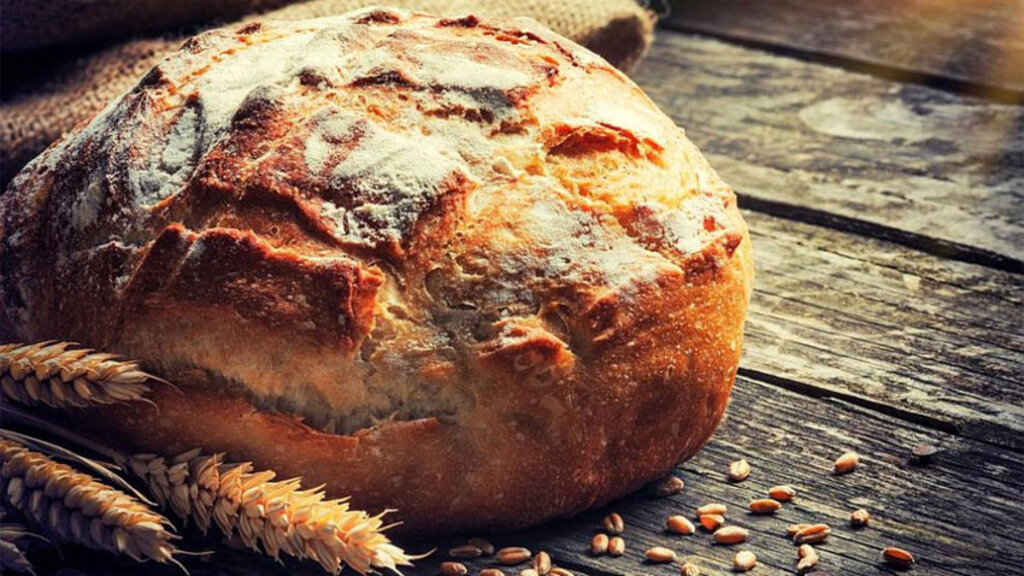
Ritual bread for Ignazhden.
PHOTO BNR
On this day, the most important thing is who will be the first guest to enter the house. If the person is healthy, prosperous, hardworking, and honest, it is taken as a good omen. For this reason, householders would often arrange in advance who their first visitor would be. The polaznik (first visitor) would first go to the hearth to stir the fire, as a sign of respect for the guardian spirit believed to dwell there. While stirring the embers, the polaznik would utter blessings such as: “As many sparks, so many chicks; as many sparks, so many lambs,” and so on.
In some areas of northern Bulgaria, it was considered especially fortunate if the first visitor was a healthy pregnant woman. Regardless of age or gender, the polaznik would be literally showered with wheat, barley, and dried fruit. In some settlements, he was even given a new shirt and socks, lavishly entertained, and in return would bless the household, their work, and their livestock.
On Ignazhden, it is strictly forbidden to take anything out of the house; the focus is solely on bringing things in. Money should not be lent, and it is considered auspicious for everyone to have at least one coin in their pocket.
Women carried out various rituals to protect the household and the entire family. In the morning, they cleaned the chimneys, throwing the soot at a crossroads—a practice believed to ward off evil and safeguard the home. They also took a man’s sash—a traditional long cloth waistband—and placed it in the yard in a circle. Grain was then scattered for the hens inside it, as it was believed that this ritual would prevent them from straying or laying eggs in other nests throughout the year. On the evening before the feast, housewives would prepare boiled wheat and throw some into the fire, making wishes for health and abundance.
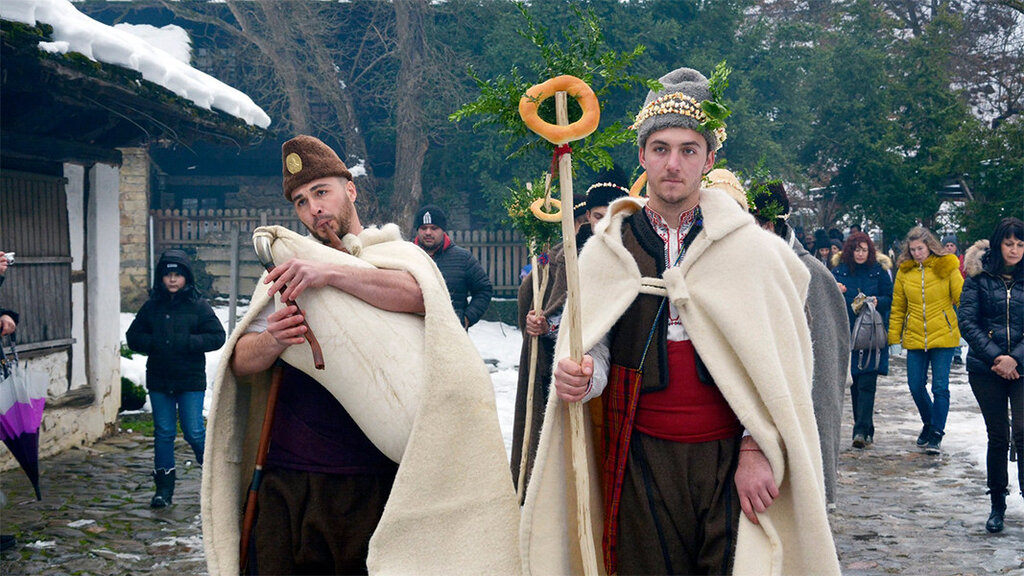
On Ignazhden, the Koledari begin rehearsing for Christmas.
PHOTO Facebook / @etar.gabrovo
On Ignazhden, the leader of the Koledari singing party gathered the group at his home to rehearse the songs they would sing on Christmas Eve, including the individual verses they would perform for each family they visited.
The Ignazhden supper is traditionally meatless. The table is adorned with candles, and the meal is both festive and commemorative. The holiday is also known as Young Year.
Posted in English by E. Radkova
This publication was created by: Elizabeth Radkova