Radio Bulgaria


News
Tradition of koleduvane observed by men of Anton village
The koledari include some contemporary elements in the ritual
Tuesday 23 December 2025 16:00
Tuesday, 23 December 2025, 16:00
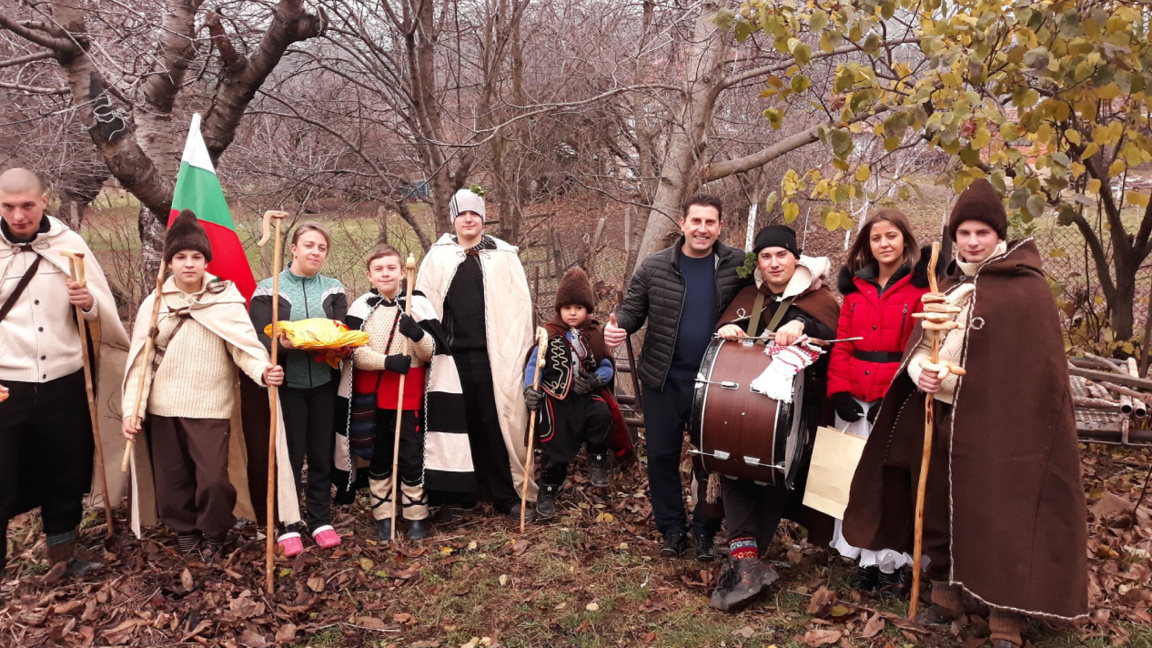
PHOTO Hristo Botev - 1925 chitalishte, Anton village
Font size
Christmas is among the most important and best loved feasts for Christians around the world, and in Bulgaria. Here, it goes with a host of traditions, rituals and beliefs which vary depending on which part of the country we are talking about. However, koleduvane (caroling) is observed in every corner of Bulgaria. Koleduvane is a typically male ritual connected with the guiding of young men into the heart of the community and an aspiration for prosperity.
On Christmas Eve groups of young men called koledari make the rounds of the homes in the town or village, singing Christmas songs and blessing each home wishing the household health, fertility and luck. The hosts then gift the young men ritual loaves of bread, fruit and other presents. This is a ritual practiced nowadays most of all in rural regions where smaller communities have kept tradition alive. It is said that the coming of the koledari will bring good luck and prosperity to the home throughout the year. Even though the koledari try to observe the old-time ritual of going to all the houses of the village and sing the songs as their ancestors once did, new elements have been added to the Christmas experience – decorating the Christmas tree with toys and tinsel, waiting for Father Christmas to come, exchanging gifts and celebrating in a close family circle are things which only made their way into Bulgarian homes at the turn of the 20th century. Before that, preparing for Christmas was mostly connected with the welcoming of the koledari.
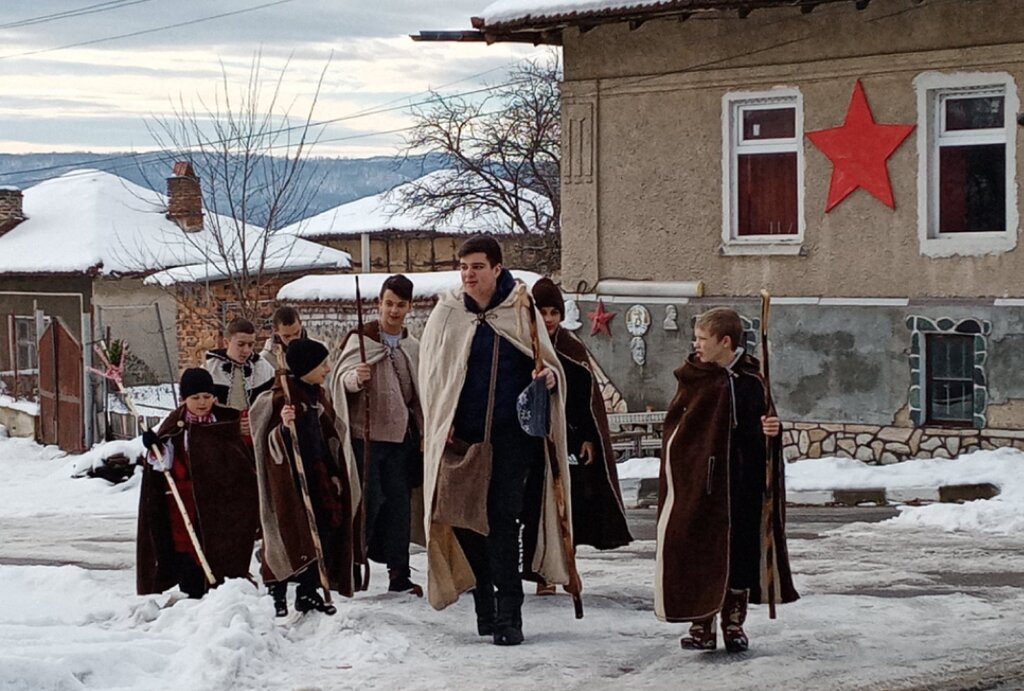
PHOTO Hristo Botev - 1925 chitalishte, Anton village
Today we talk to a group of latter-day koledari, young people from the village of Anton who, as Christmas approaches, get together at the local chitalishte (community culture club) to learn Christmas songs, to teach them to the younger members and to get the clothes they are going to wear on Christmas Eve ready. The group is divided into two so they could go to as many houses in the village as they can – after all the population here is around 14,000. One of the groups is led by Doncho Donchev and the other – by Yordan Marinov. The youngest of the koledari isPetar Marinov, and they all perform the koledari tradition with enthusiasm, including new elements from other winter feasts in their practice:
“Because our village is quite big and we don’t have the time to go around it all, we decided to divide the village into two parts and have two groups of koledari so that every home will get a visit from us. Each group has a different number of members – 10-12,” the oldest if the koledari Doncho Donchev told Radio Bulgaria’s Darina Arnaudova. “The groups have a sleigh of their own – Rudolph. In the role of the reindeer we have a small tractor with a cart fitted, so that everything is authentic and we get to entertain the whole village. We pay our respects at every home. We have a member who is a kuker, and by a tradition, the kuker is there to banish all evil from the house. We have a pre-set route which is constantly monitored online – we have an IT expert to help us with that. At any given moment people know where the group is and who to expect them next. We go to see everyone.”
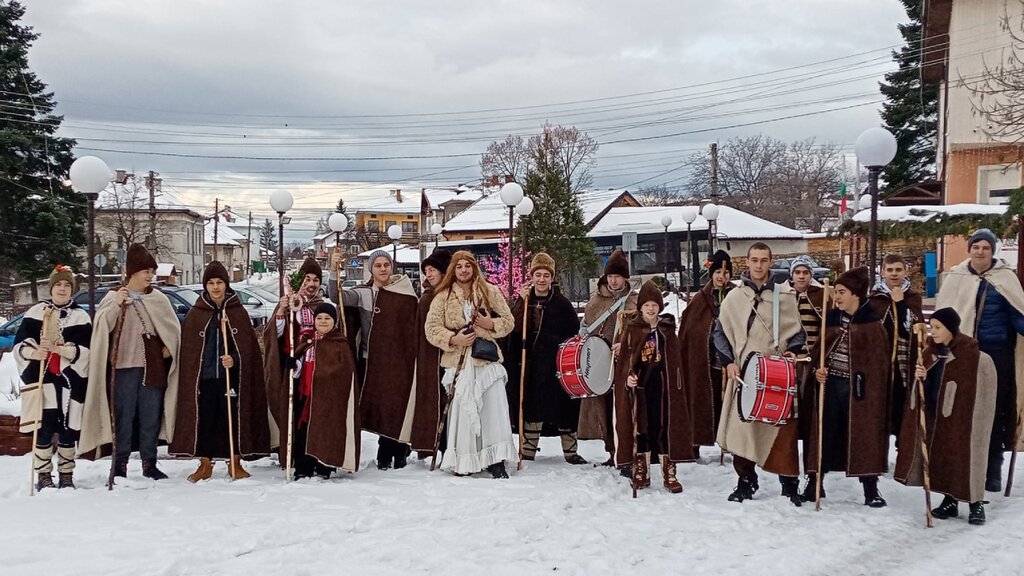
PHOTO Hristo Botev - 1925 chitalishte, Anton village
The koledari say that it is very important that the ritual continue every year, without exception, so that the people in the village shall be happy and each home blessed. “But we do all that so there will be the same kind of continuity for the young children as well. They too are part of the koledari group,” says Doncho Donchev and goes on:
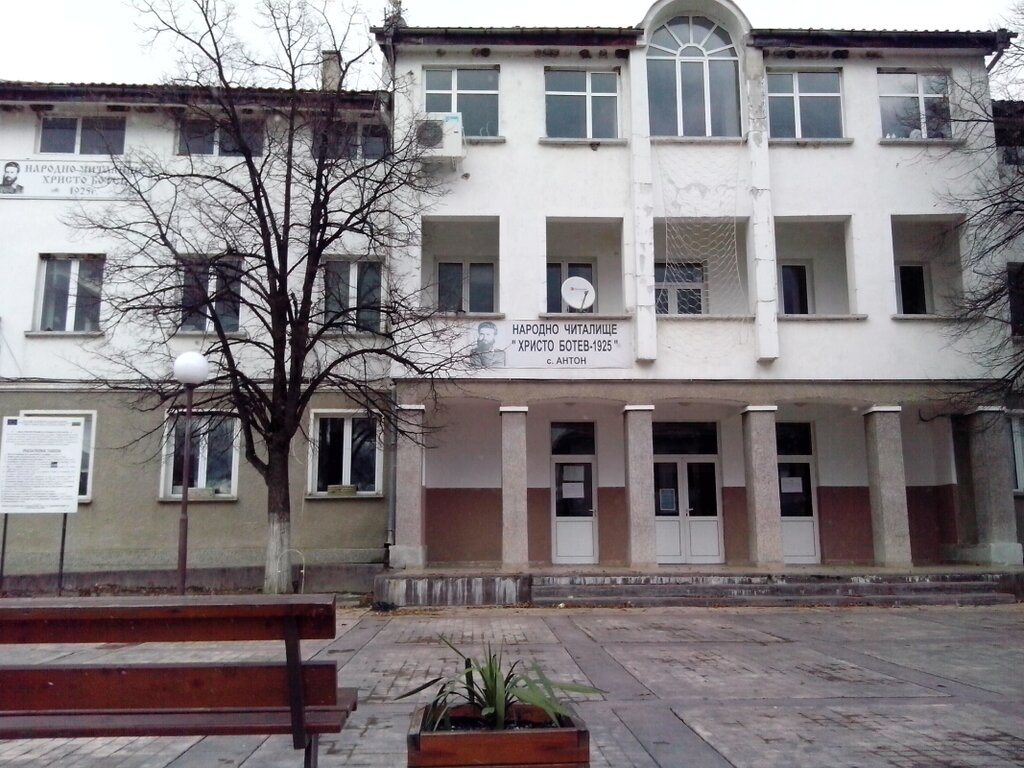
The Hristo Botev - 1925 chitalishte in the village of Anton
PHOTO Gergana Mancheva
“We wear traditional Bulgarian clothing with a traditional hat which is decorated. We carry sacks for the gifts we are given. We enter each home singing, then we make blessings with wishes for health and for prosperity. People give us loaves of bread, sausages, apples, banitsa, made by the woman of the house, and they give us wine and rakia to drink. We accept everything.”
After that some of the gifts are handed over to some of the poorest families in the village, some the koledari keep. “The money we are given on this day we donate to the chitalishte. For us is the pleasure of going around the houses,” adds Yordan Marinov.
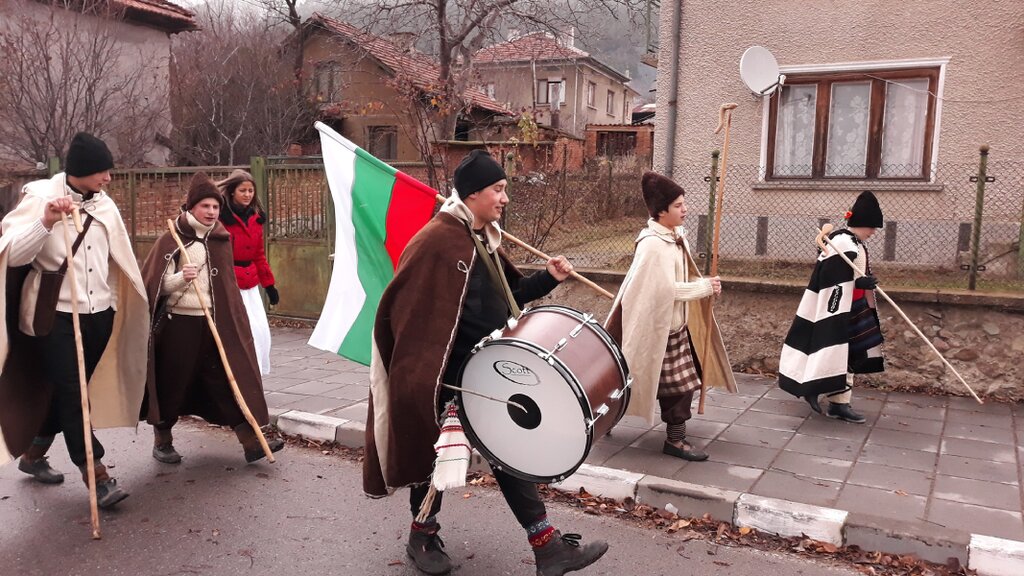
PHOTO Hristo Botev - 1925 chitalishte, Anton village
“We go house to house, bringing the atmosphere all people are expecting. It is a really nice tradition that should be preserved. Once a year, all people in the village are transformed into koledari. We feel great, we sing, we make blessings.”
Translated by Milena Daynova
This publication was created by: Milena Daynova