Radio Bulgaria


Author
Gergana Mancheva
News
Ancient kukeri ritual is the focus of January festivities in Trastenik
Wednesday 21 January 2026 14:19
Wednesday, 21 January 2026, 14:19
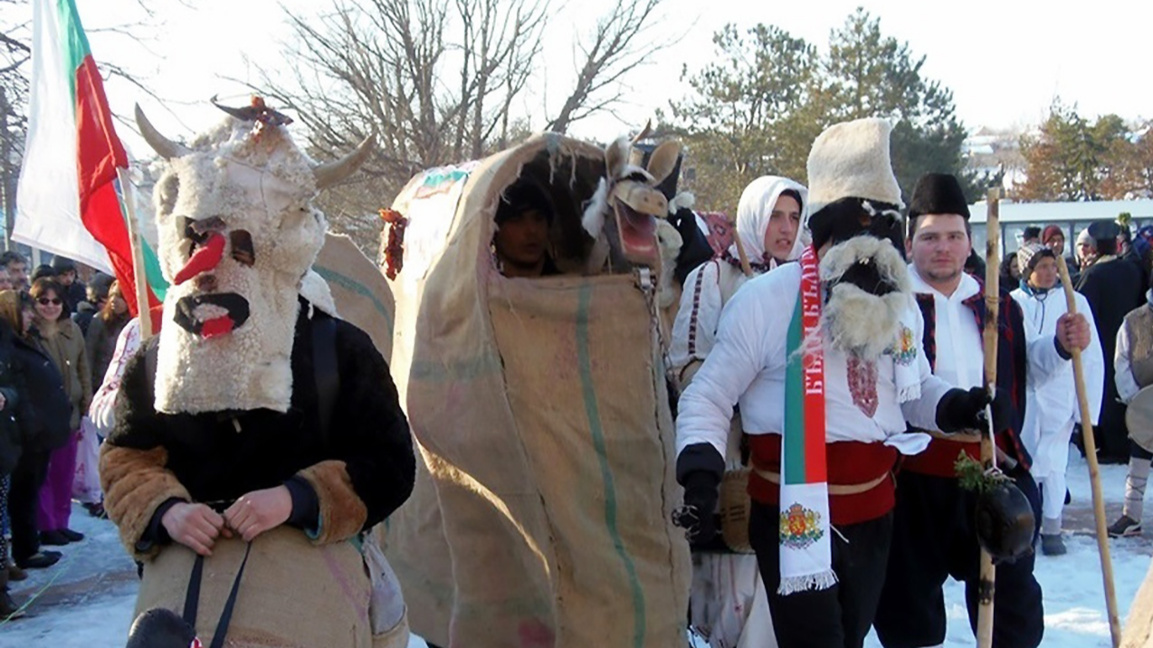
PHOTO "Neofit Rilski 1872" Community Center
Font size
Since time immemorial, people in the town of Trastenik have known that at the beginning of the year a folklore character, a mythical creature born from fairy tales and legends that existed even before books existed, comes to them as a long-awaited guest. The custom that we are to tell you about has become something of an emblem for the town of Trastenik in Northern Bulgaria. Every year there, on the occasion of the holiday of Ivanovden (celebrated on January 7, but in the old style calendar - on January 20), the houses are visited by kukeri, but not the ones we know - with scary masks and bells. The kukeri of Trastenik participate in another, more special ritual that is called "kyorava kobila" (blind mare).
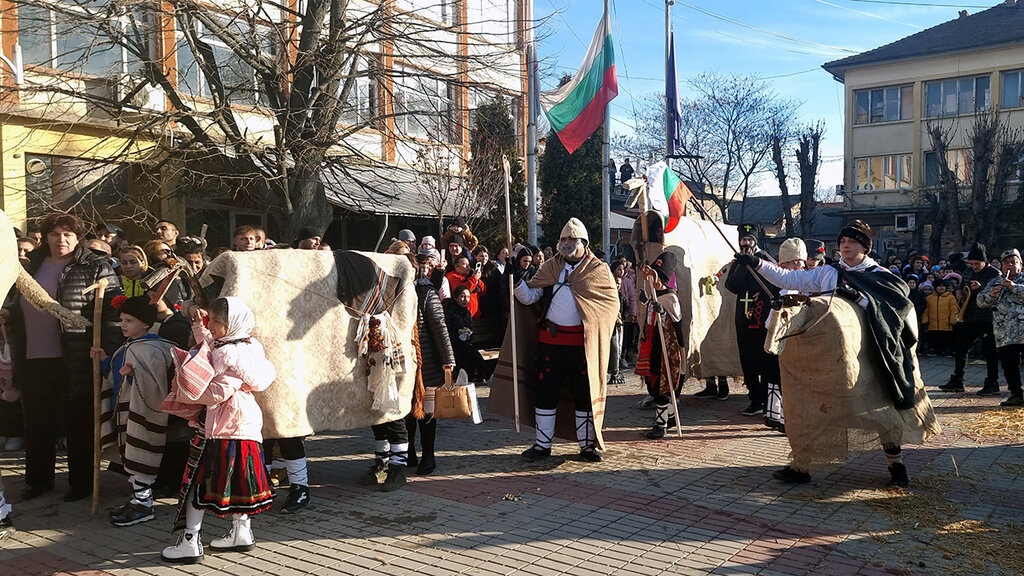
PHOTO BTA
Usually, the masquerade group plays the same scene, in which the main character is a dummy representing an old and blind mare. The scene takes on a comical development, because the mare jumps, falls, rolls, and everything depends on how the movements of the participants in the masquerade group will be synchronized. Every year, the tradition is organized with the help of amateur performers from the local community center, as the participants are divided into 7-8 groups so that they can visit more of the houses in the town and cheer up the hosts and wish them health, fertility, and good luck throughout the year.
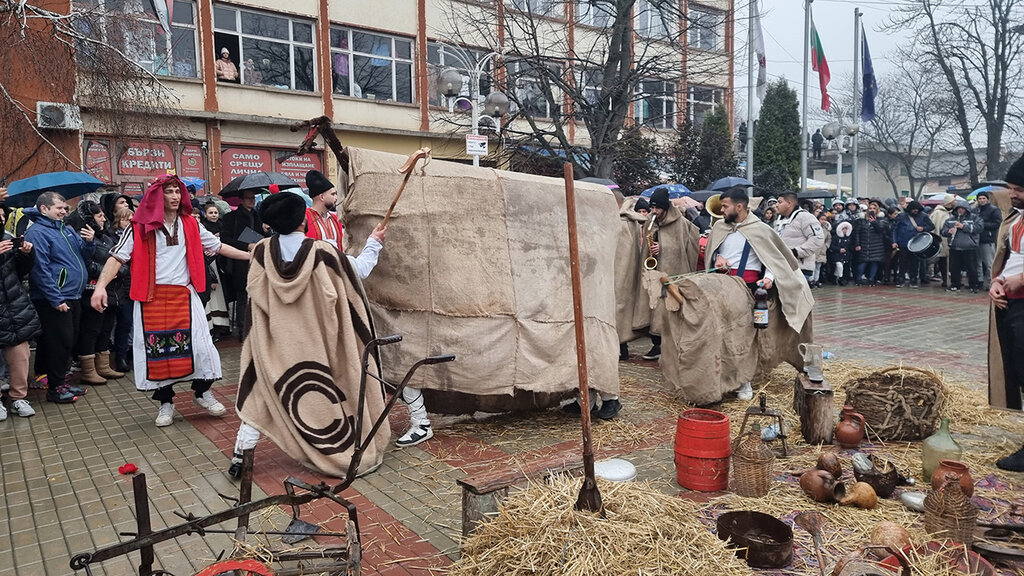
PHOTO BTA
In fact, the very legend of this blind mare is a story with a happy
ending. It tells of the unexpected gifts that people receive, even
when they were in a miserable state and on the verge of despair. The
custom is unique and has been preserved in its authentic form only in
Trastenik, Galya Kucheva, secretary of the "Neofit Rilski 1872"
Community Center, tells us.
"For years, the
community center has been organizing the traditional kukeri festival
on Ivanovden and the ‘kyorava kobila’
ritual, which drives away evil forces and prays for health and
prosperity for the people. The festival is connected with the legend
of saving the village from ruin after the Ottoman invasion. There is
another legend, recorded and retold by the local community center
activist Simeon Kanchev. According to legend, the population of the
village had a special status and paid taxes in horses to the Ottoman
Empire. The mare of a man named Ivan from the village went blind and
in order not to kill the animal with his own hands, he left the mare
in the field. Some time passed and a disease affecting horses broke
out in the village. All the horses died. Then, in the middle of
winter, on January 20, Ivanovden in the old style, the blind mare
stopped in front of Ivan's gate with several foals. When the
owner came out, the old mare collapsed and died. But thanks to
her foals, the people of Trastenik bred horses again and managed to
pay their tax to the sultan. Since then, every year in Trastenik this
strange event is remembered through the ritual."
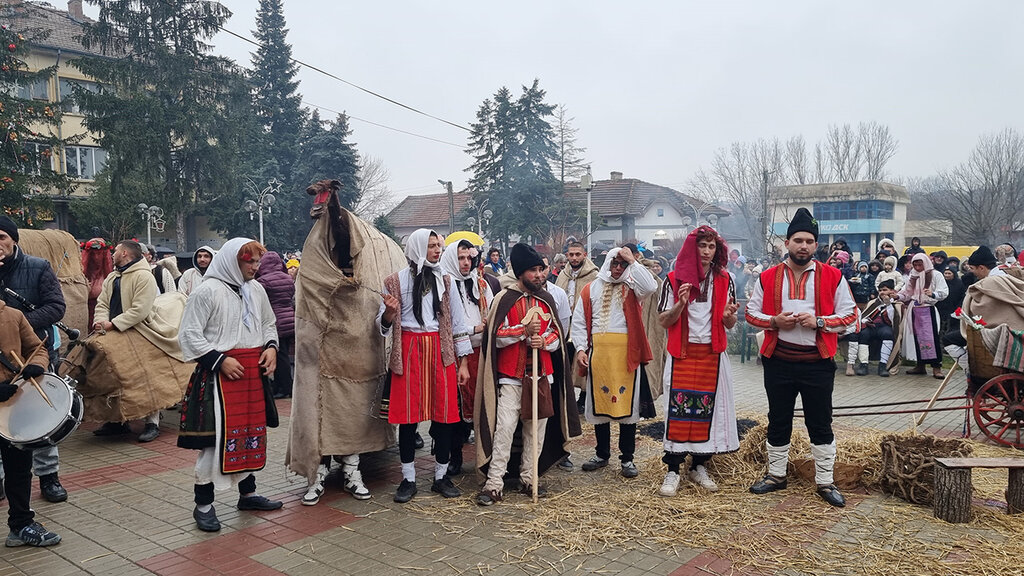
PHOTO BTA
From Galya Kucheva's story, we find out that the masquerade games in the town begin at midnight on Ivanovden. The masquerade has certain characters and participants, while the ritual dummy must visit all homes, especially where people named Ivan live. And people do not fall asleep waiting for the cheerful festivities to begin.
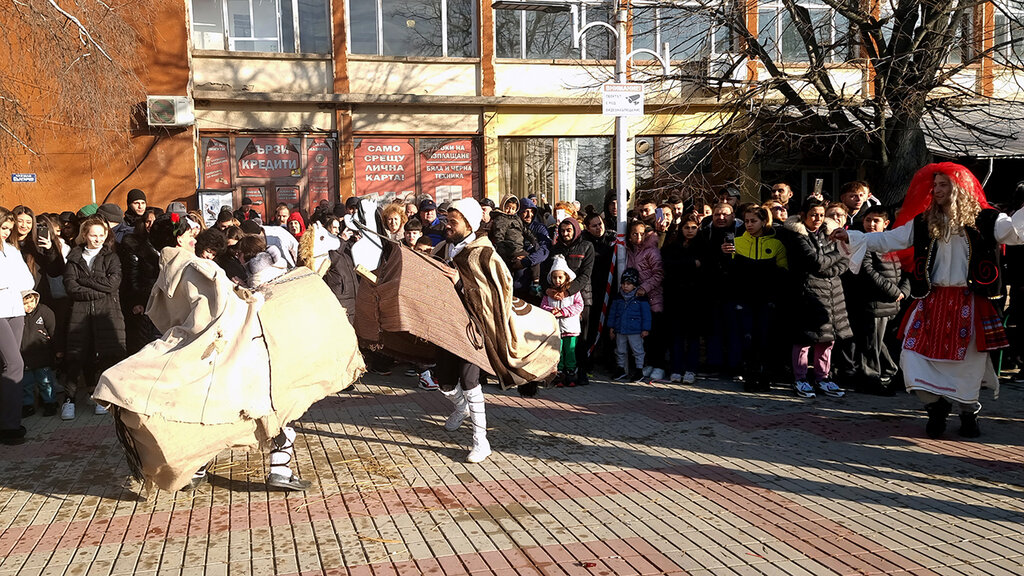
PHOTO BTA
The masked people go from house to house. "Their movement is
accompanied by a lot of noise, songs, shouts, jokes, and the owners
welcome these guests with great enthusiasm. They give them towels,
sausage, wine, popcorn, dried peppers, coins for health, and all this
is accompanied by many wishes for health and good luck," Galya
Kucheva says and adds:
"The owners
really believe that if these guests did not visit them, they would not
be healthy during the year and there will be no prosperity. That is
why they leave the doors open for the kukeri all night long."
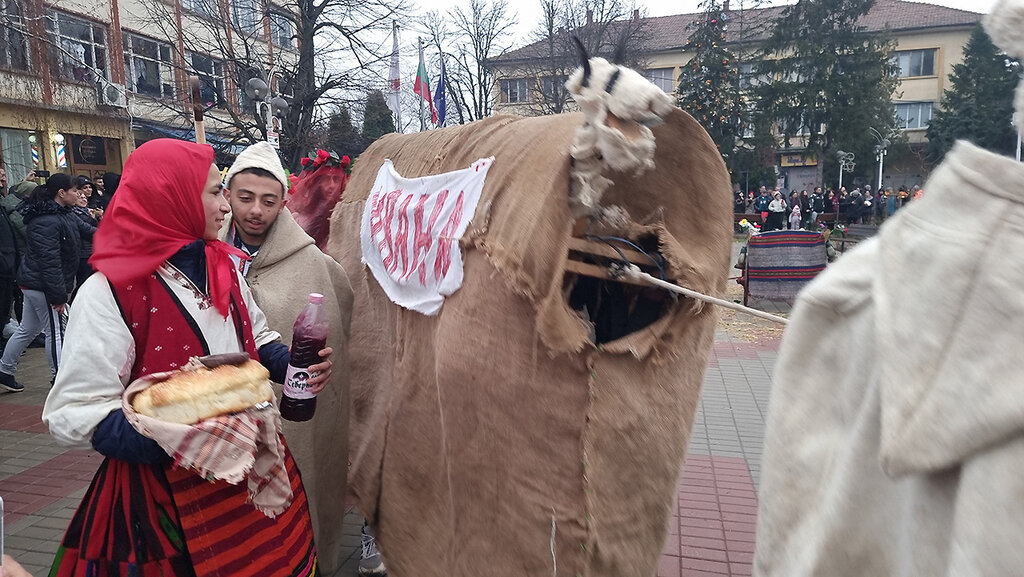
PHOTO BTA
Interview by: Darina Arnaudova
Photos: BTA, "Neofit Rilski 1872" Community Center
This publication was created by: Alexander Markov