Radio Bulgaria


Author
Tsvetana Toncheva
Bulgarian National Radio celebrates its 91st anniversary
As tradition dictates, the leading public broadcaster presents the “Sirak Skitnik” journalism awards
Sunday 25 January 2026 07:35
Sunday, 25 January 2026, 07:35
PHOTO Georgi Neykov
Font size
The history of public radio in Bulgaria began in autumn 1929 when a group of enthusiasts constructed a radio transmitter at the Military Engineering Workshop in Sofia. In early 1930, intellectuals and public figures in the Bulgarian capital founded a union of radio amateurs called Rodno Radio, which in 1934 was renamed Radio Sofia. That same year, Radio Varna began broadcasting.
On 25 January 1935, Tsar Boris III signed a decree that brought radio broadcasting in Bulgaria under state ownership. By the end of that year, the first efforts to broadcast programmes for international audiences were underway, with the first successful transmission taking place in 1936. Novo Radio Sofia magazine reported: 'Last Sunday, 16 February, the entire morning programme of Radio Sofia, including the Divine Liturgy from the Church of St. Sophia, was transmitted on shortwave and heard across Europe.'
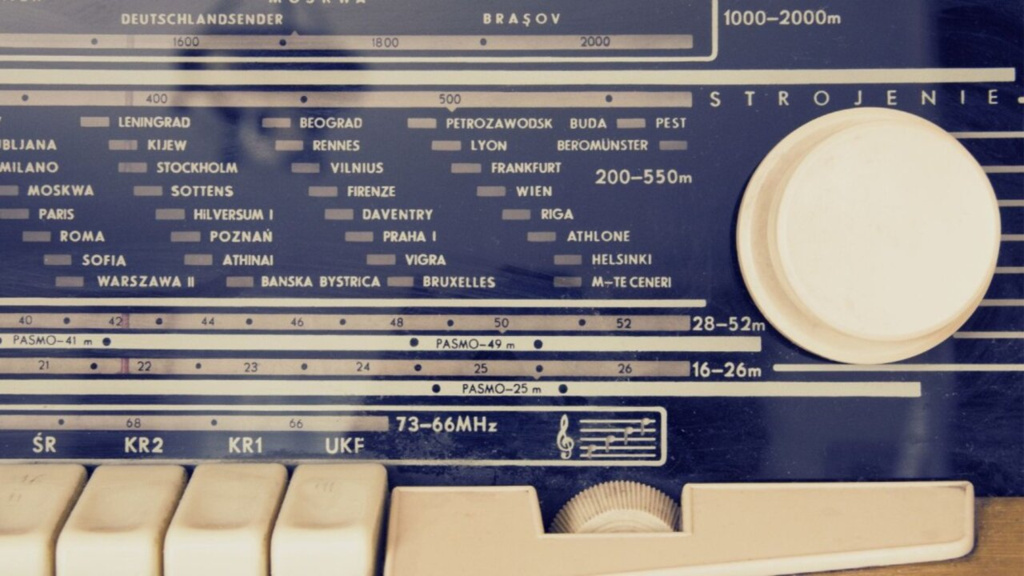
PHOTO Archive
Regular foreign-language broadcasts in French, German, English, Italian and Esperanto began on 1 May 1937, with Turkish programmes added in early 1938. Initially, the foreign-language editions were produced and presented by freelance contributors, including the renowned Petar Uvaliev, who prepared the Italian-language programmes, and the future opera director Mihail Hadzhimishev, who presented the English content.
Since 1992, BNR has branded its international broadcasts as Radio Bulgaria. In 2004, Radio Bulgaria launched its first website, offering news and audio content in 11 languages: Bulgarian, English, Russian, German, French, Spanish, Greek, Turkish, Serbian, Albanian and Romanian.
PHOTO Archive
Today, Bulgaria’s public broadcaster operates two 24-hour national programmes: the news and music station Horizont, which is an undisputed leader in news broadcasting and ranks first in almost every audience survey, and Hristo Botev, which produces unique cultural and educational content. Nine regional radio stations also play an important role in the social and cultural life of local communities.
The online programme Radio Bulgaria presents a multimedia product to the world, shaping a modern image of the country, highlighting Bulgaria’s numerous communities abroad, introducing foreigners who live and work in Bulgaria, and emphasising the preservation and promotion of Bulgarian culture and education globally.
Radio Bulgaria’s team has enjoyed particular success on the airwaves: the weekly programme The Hour of Radio Bulgaria is among the most popular shows on the national cultural station Hristo Botev, while the daily Turkish-language programmes remain the favourite of the audience of BNR Kardzhali.
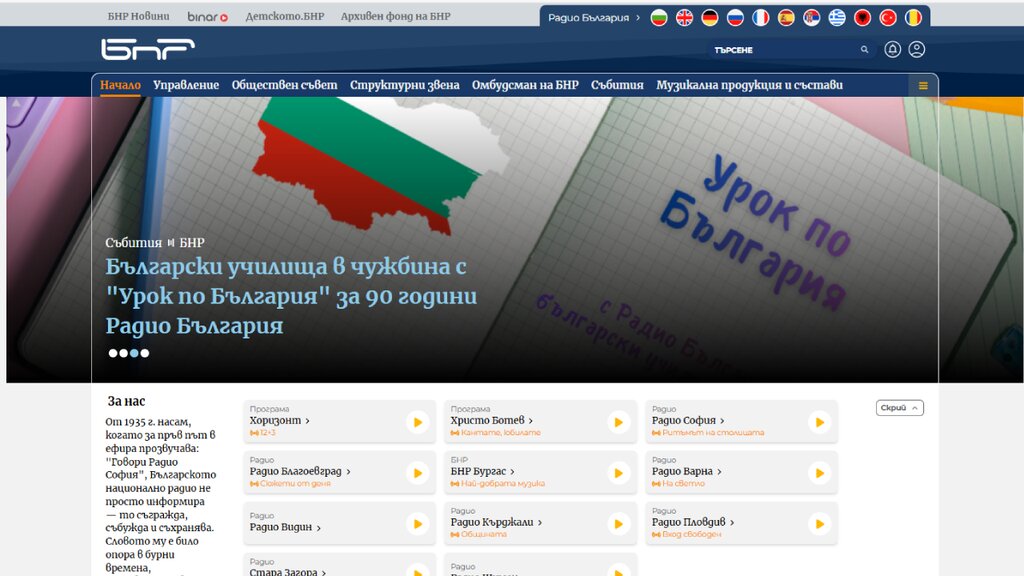
PHOTO BNR
Since 2001, the National Radio has awarded its annual Sirak Skitnik prizes in recognition of significant contributions to the development of public broadcasting. This year’s official ceremony will take place on 26 January in BNR’s Studio 1, with Radio Bulgaria among the nominees.
The team behind Radio Bulgaria’s Turkish-language programmes is in the running for the Grand Prize. Among the many worthy candidates for excellence in radio journalism, Yoan Kolev from the Bulgarian-language editorial team at Radio Bulgaria has also been nominated. In the category of radio programme, radio project, music project, or multimedia project, the podcast Bridge of Faith, hosted by Darina Grigorova and Alexandra Karamihaleva, has been nominated for its year-long coverage of Bulgarian Orthodox communities around the world.
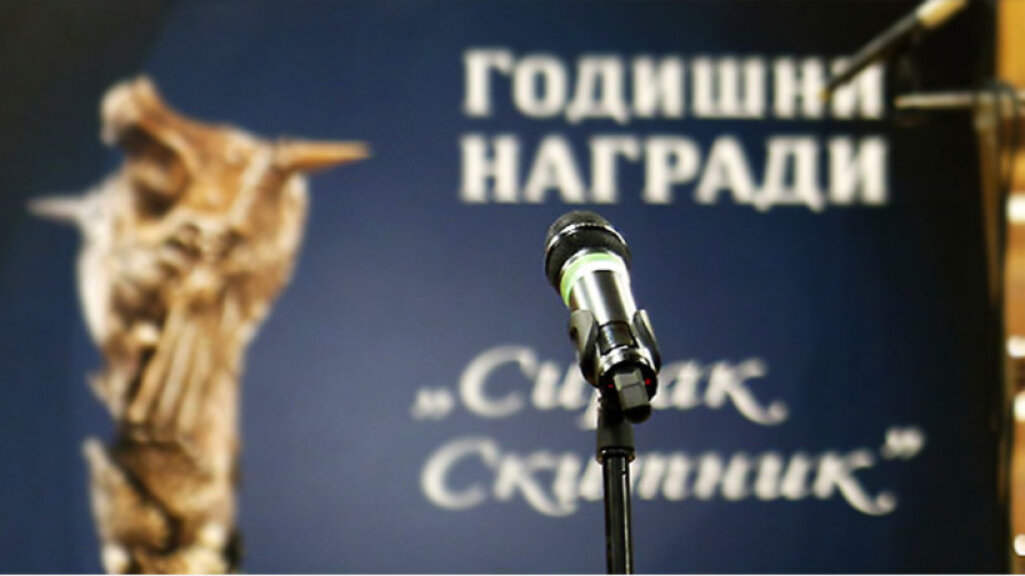
PHOTO Archive
The ceremony will also feature the presentation of the Golden Voice award, presented by the Nadezhda Dzheneva Foundation, as well as the Professionalism on Air distinction, which recognises outstanding programmes or journalists from other electronic media outlets.
Further reading:
- Helmut Matt: Radio Bulgaria is a bridge between Bulgaria, literature and the airwaves
- Heartfelt wishes warmed the hearts of the Radio Bulgaria team
- Milen Mitev: Radio Bulgaria is the natural partner of the Bulgarian schools and folklore ensembles abroad
Editor: Elena Karkalanova
Posted in English by E. Radkova
This publication was created by: Elizabeth Radkova