Radio Bulgaria


Author
Gergana Mancheva
News
In the green oasis of winter Sofia – The Botanical Garden of BAS
Wednesday 28 January 2026 07:50
Wednesday, 28 January 2026, 07:50
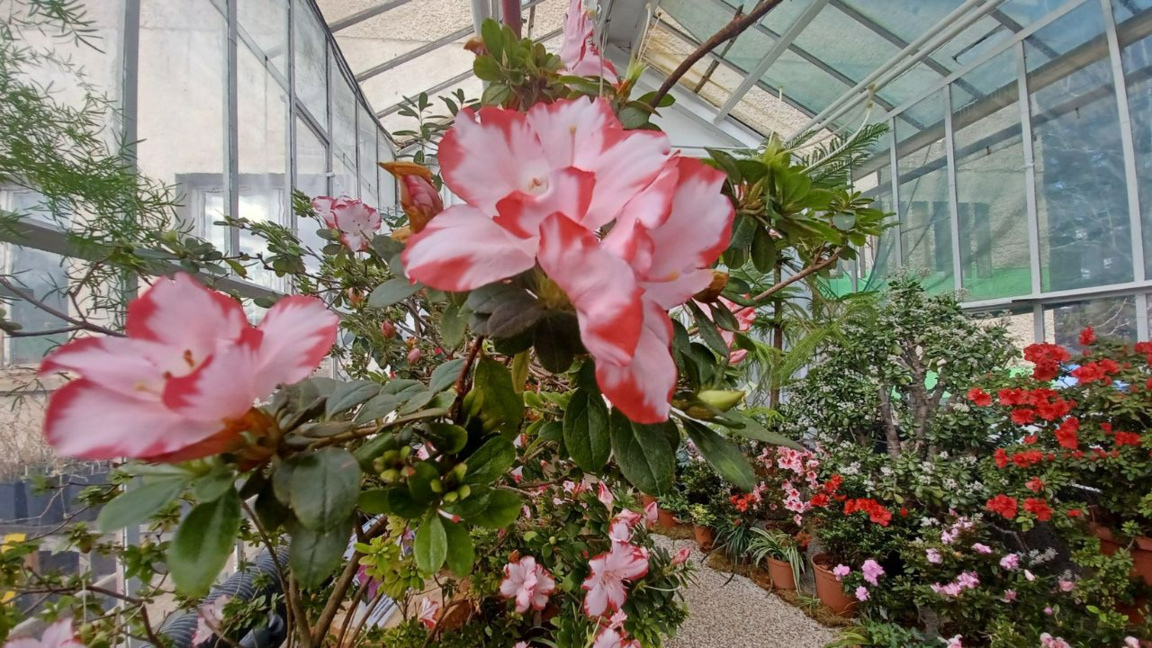
PHOTO Botanical Garden-BAS
Font size
During the short winter days, Sofia offers a variety of indoor activities, and the Botanical Garden of the Bulgarian Academy of Sciences (BAS) adds a splash of color and beauty. Its location is easy to spot on the map— a lush green oasis nestled between the residential districts of Dragalevtsi and Boyana. The garden is open to visitors every weekday, even during the season when outdoor plants are “sleeping” through the winter.
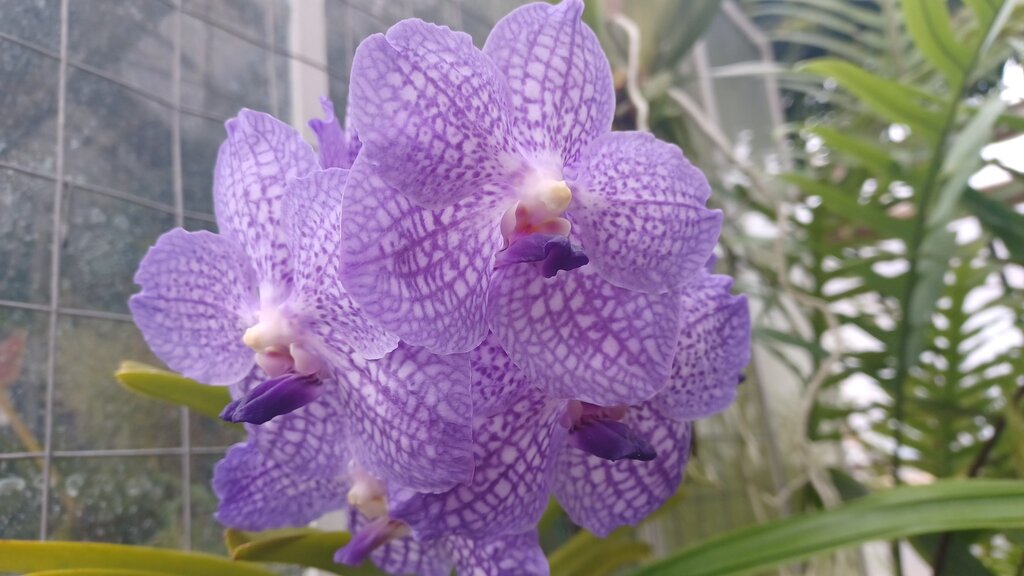
PHOTO Botanical Garden-BAS
In the garden’s five tropical greenhouses, work is in full swing, as azaleas bloom during the winter and all varieties of orchids are coming into flower. Native to the forests of Japan and China, these plants require consistently high humidity to prevent their blossoms from drying out and to thrive as they do in nature. The garden houses more than a hundred different azaleas—in red, white, purple, pink, and multicolored varieties— but the most remarkable among them are two venerable plants. They were once part of the greenhouse collection of Tsar Ferdinand, who collected plants from near and far to adorn the royal palace. To this day, more than 80 plant species have survived, including azaleas, orchids, and some long-lived tropical plants. Some of these plants were rescued during the war and the bombing of Sofia and, under such circumstances, became part of the Botanical Garden’s collection.
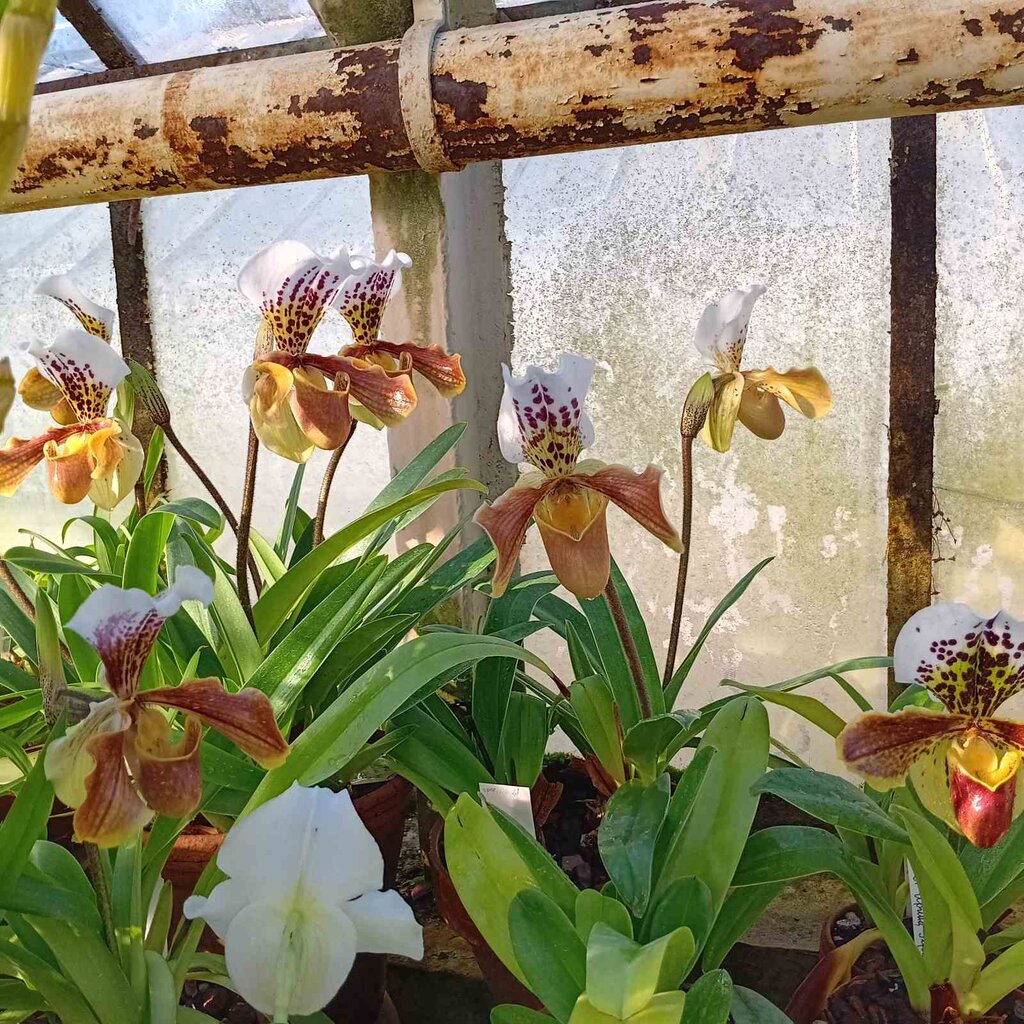
PHOTO Gergana Mancheva
The Botanical Garden of BAS is the successor to the Royal Botanical Garden, which originally occupied a central location in the city, right across the Rectorate of Sofia University. It was established in 1882, but in 1947 it became part of the Institute of Botany and underwent several transformations. It was relocated to its current site in 1968, with the primary mission of creating and maintaining documented scientific collections of living plants. Today, the Botanical Garden of BAS collaborates with 450 botanical gardens worldwide, while also serving as a living flower museum visited by schoolchildren, university students, and amateur gardeners alike.
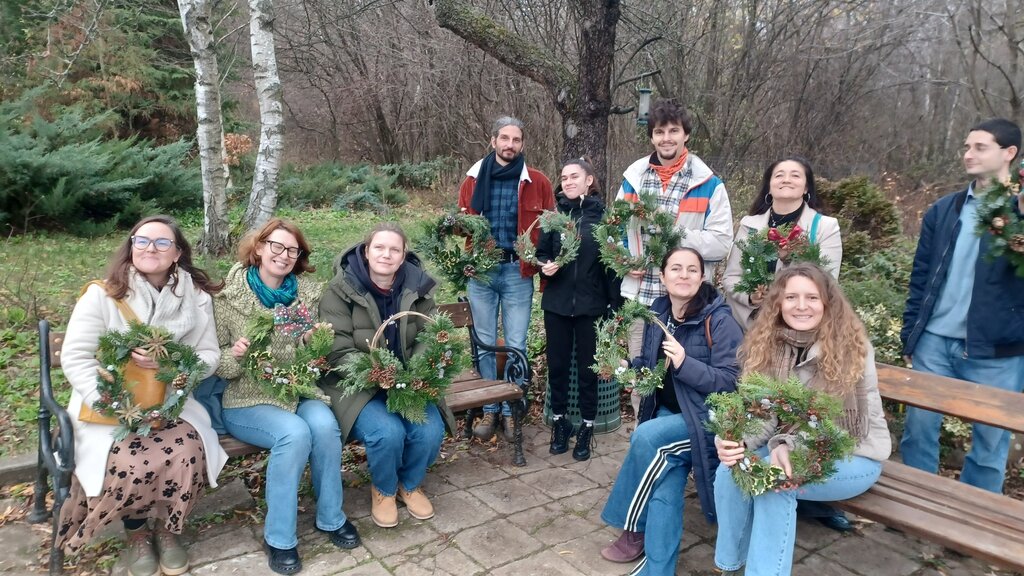
PHOTO Botanical Garden-BAS
Its collections include nearly 4,000 species of higher plants, representing over 1% of the world’s plant diversity. The garden boasts the richest collections of tropical and subtropical plants on the Balkan Peninsula. “This botanical treasure trove contributes significantly to global plant conservation and enhances the gardening practices in Bulgaria”, say representatives of the Institute of Botany at BAS.
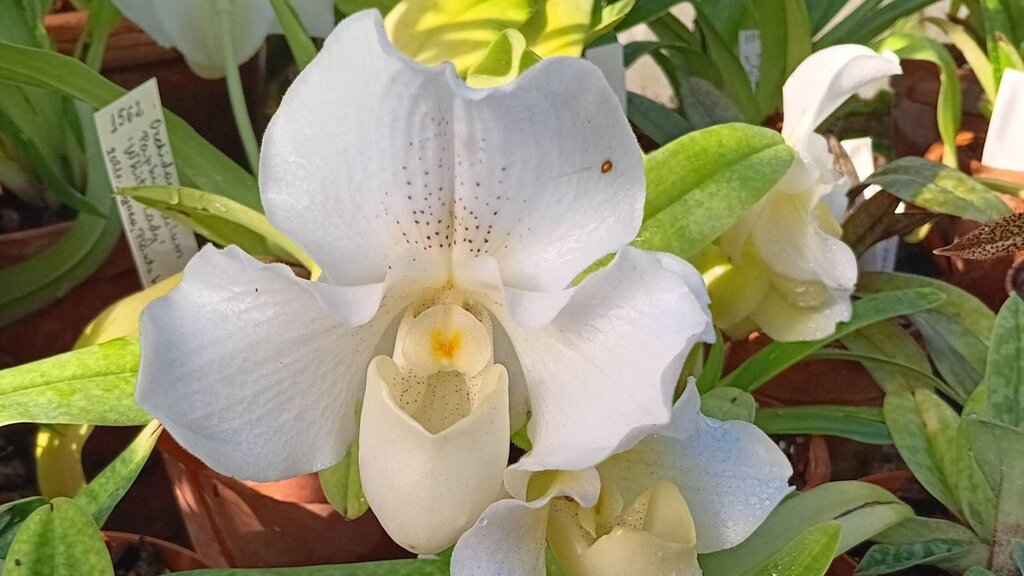
PHOTO Gergana Mancheva
“The royal orchids, which were brought to Bulgaria by florists at the end of the 19th century, continue to bloom during the winter. They are exceptionally beautiful, with large, long-lasting purple flowers”, explains longtime botanist Diana Venkova, drawing attention to the research work carried out at the BAS Botanical Garden.
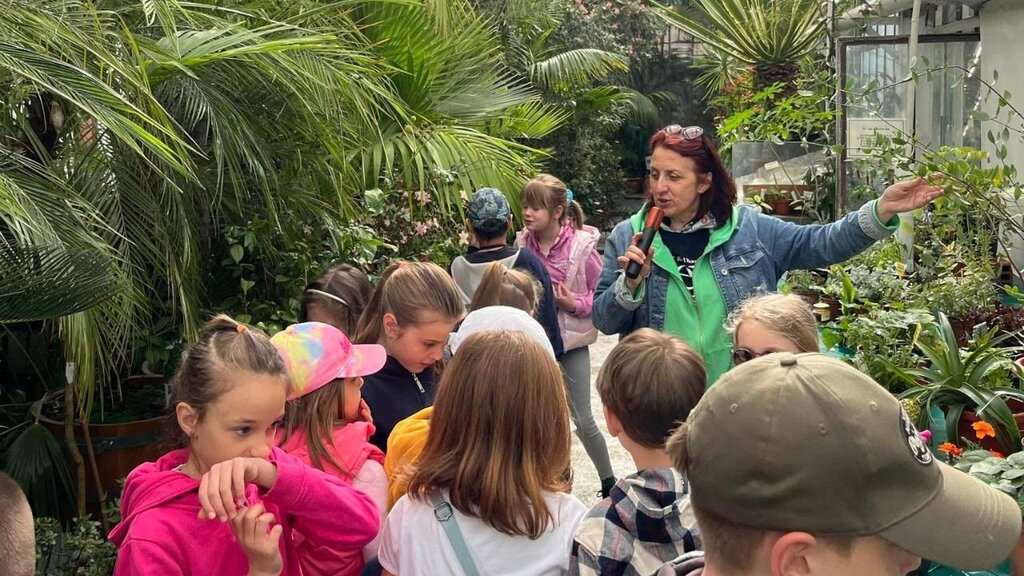
PHOTO Botanical Garden-BAS
“Our scientific work is primarily focused on Bulgarian flora, on plants from our own nature. We cultivate rarer species, as the main purpose of a botanical garden is to create a collection of local plant species. We are still in the early stages of building such a collection. In the past, other colleagues had different approaches—they mainly acted as caretakers of the collections, enriching them through exchanges with botanical gardens around the world, a practice that continues to this day. We also serve as a research base for colleagues from other scientific institutes. In addition, the garden serves as a base for the practical training of students from the University of Forestry, Sofia University, and the Agricultural Academy. Many schoolchildren also visit, for whom we organize engaging lectures and summer camps among the flowers. We share many fascinating stories with our visitors because we also grow tropical plants here—from tropical rainforests to desert and semi-desert species, including plants that can hardly be seen anywhere else. This is the very purpose of a botanical garden—it is a living museum where people can get close to the flowers.”
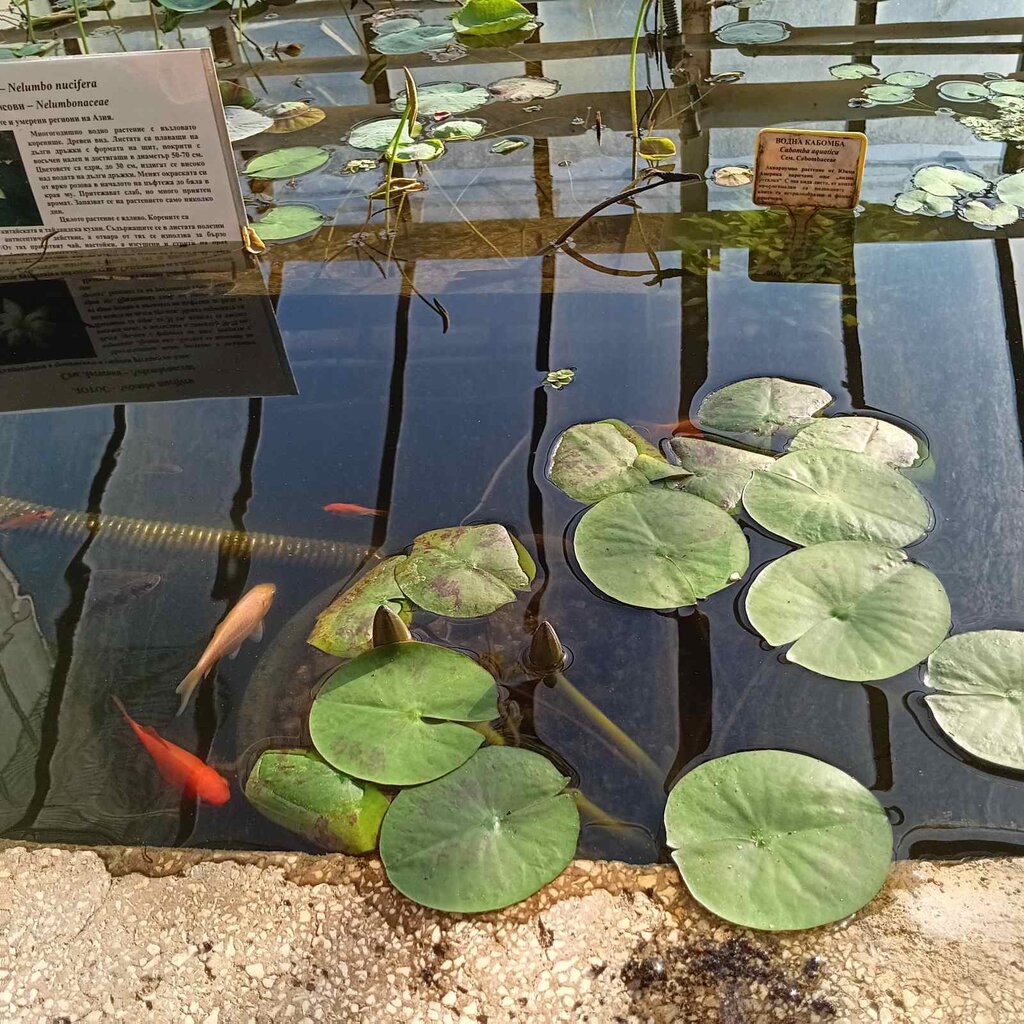
PHOTO Gergana Mancheva
Children are particularly intrigued by insect-eating plants, sensitive plants such as Mimosa Pudica (shy plant), the garden’s aquatic and tropical species, etc. According to Diana Venkova, there is always something interesting to see in the Botanical Garden of BAS, in every season and at any time of year.
''At the Institute of Botany, there is a section dedicated to medicinal plants, and we collaborate with them on certain projects. Our latest project involves establishing a plantation of several types of thyme species that naturally grow in Bulgaria. They are currently dormant for the winter, but starting in April–May, we will begin harvesting the flowers, drying them, and studying them.
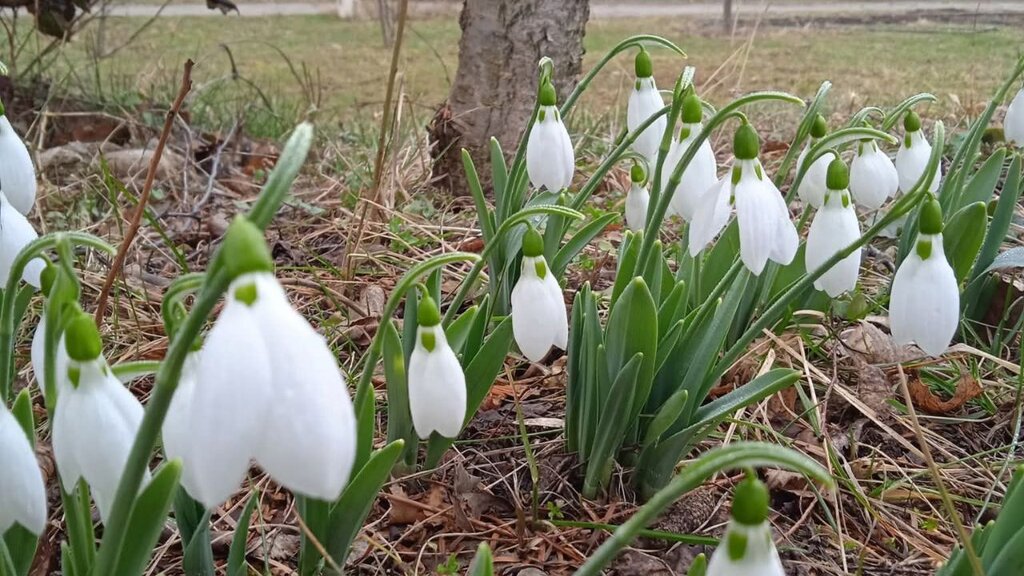
PHOTO Botanical Garden-BAS
Visitors can also see tropical medicinal plants, as well as others that they may know from advertisements or leaflets, such as aloe vera, jojoba, and leuzea. Azaleas are beautiful shrubs that are currently in bloom and are native to the forest understory of Asia. In temperate regions, they have become popular as indoor ornamental plants. The flowering is now at its peak, and we want to showcase it. Visitors enjoy the colorful display and can even take a small plant home to grow themselves'', says Diana Venkova.
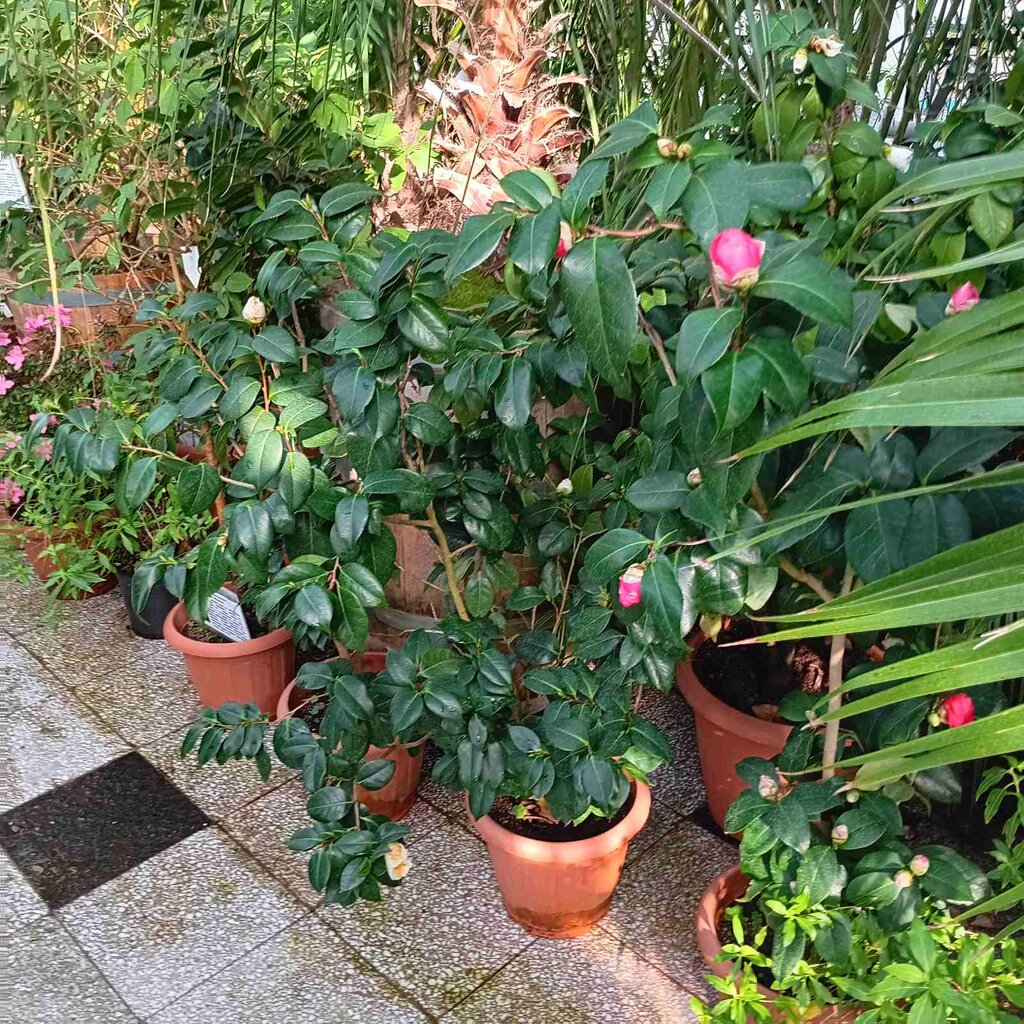
PHOTO Gergana Mancheva
The experts at the Botanical Garden are generous with their advice on proper plant care, and anyone can learn from their experience. “We have an excellent soil mix that we prepare ourselves in the garden, and we are always ready to give advice”, says Diana Venkova. Various initiatives—such as open days and gardening workshops draw flower enthusiasts to this green corner of the capital city.
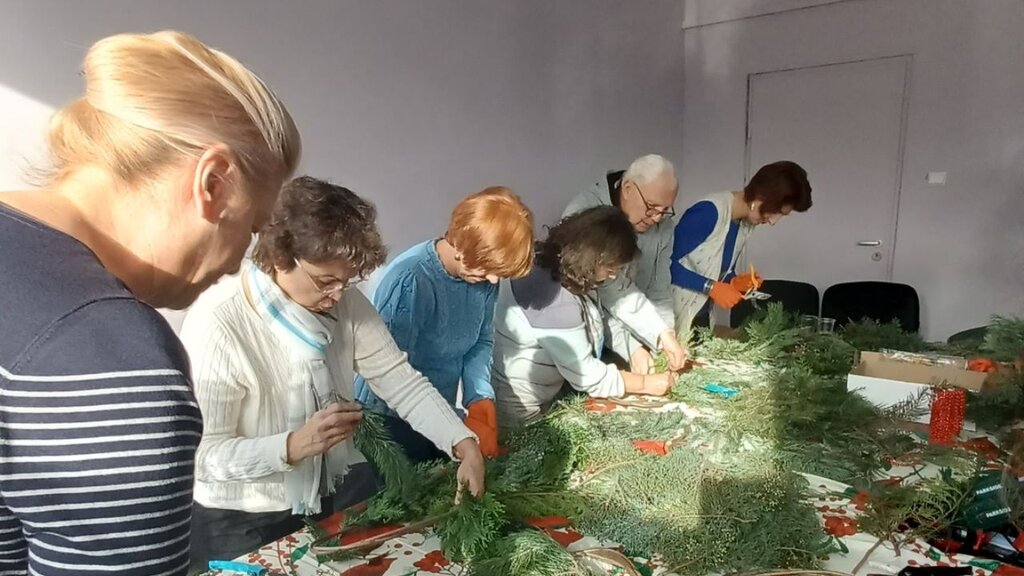
PHOTO Botanical Garden-BAS
“Orchids will be the stars of our next event, which traditionally takes place in February–March”, says Diana Venkova.
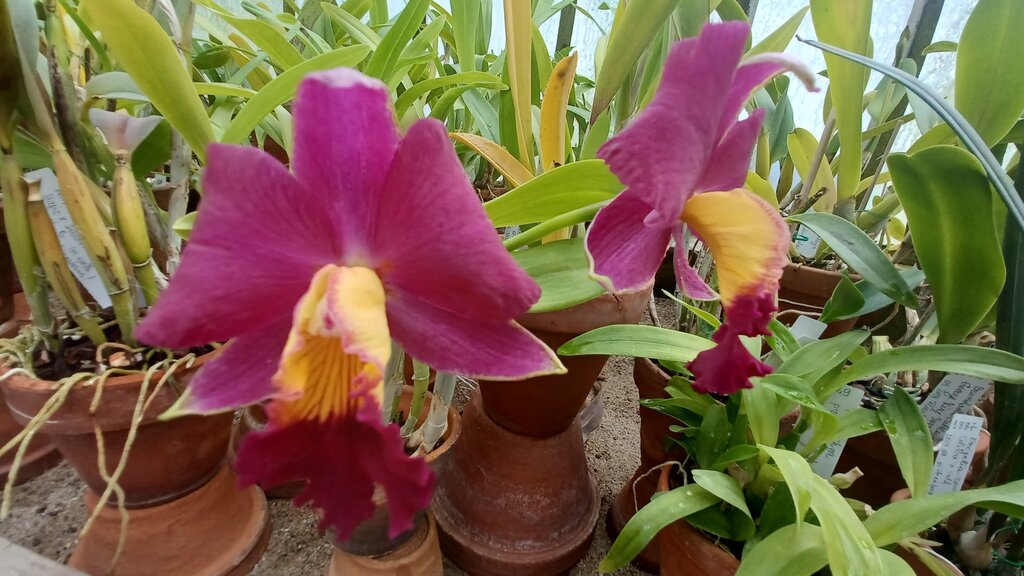
PHOTO Botanical Garden-BAS
The orchids found in Bulgaria’s wild habitats include the lady’s slipper orchid, the bug orchid, the bee orchid, and others. They have these popular names because their flowers resemble insects in shape and color, which aids pollination in nature. “They are a protected species and must never be removed from their natural habitats”, Diana Venkova says.
Translated by Kostadin Atanasov
This publication was created by: Kostadin Atanasov