Radio Bulgaria


Author
Tsvetana Toncheva
News
Opera Prima Mariana Pencheva: ‘We Must Preserve Our Spirituality!’
Thursday 29 January 2026 15:41
Thursday, 29 January 2026, 15:41
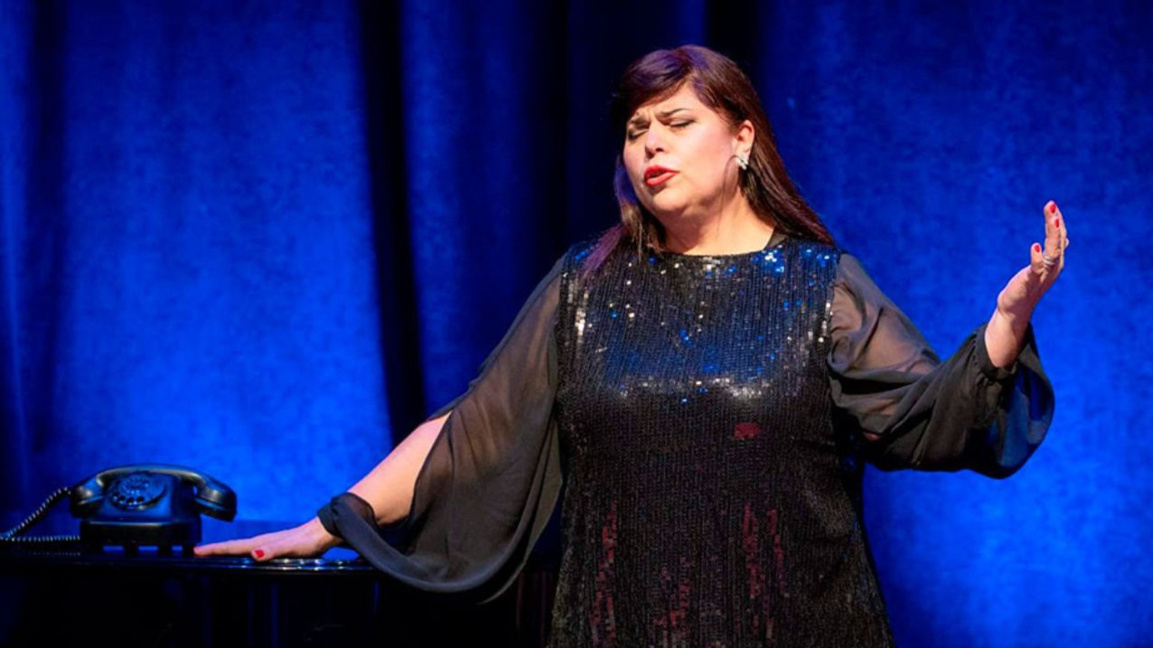
PHOTO State Opera-Plovdiv
Font size
‘Remarkable – vocally and dramatically!’
This laconic comment, published in the newspaper Kultura in 2002, neatly sums up the critical consensus on Mariana Pencheva’s performances. She is undoubtedly one of the greatest Bulgarian opera stars of the late 20th and early 21st centuries, yet even when she triumphs on the world’s most prestigious stages, her name rarely makes headlines in the Bulgarian media. Nevertheless, her contribution to the reputation of the so-called ‘Bulgarian opera miracle’ is significant.
Born in Plovdiv, Pencheva graduated from the Sofia Music Academy, specialised in Verona, and won several prestigious vocal competitions in Italy. Her most notable success came in 1992, when she was a prizewinner at the Luciano Pavarotti Competition in Philadelphia. This marked the beginning of her career at major Italian opera houses, including the Teatro Comunale di Firenze and the Teatro La Fenice in Venice. She made her debut at La Scala in Spontini’s La Vestale, conducted by Riccardo Muti, which opened the 1993 season. Later that same season, she sang in Rigoletto, again under Muti’s baton.
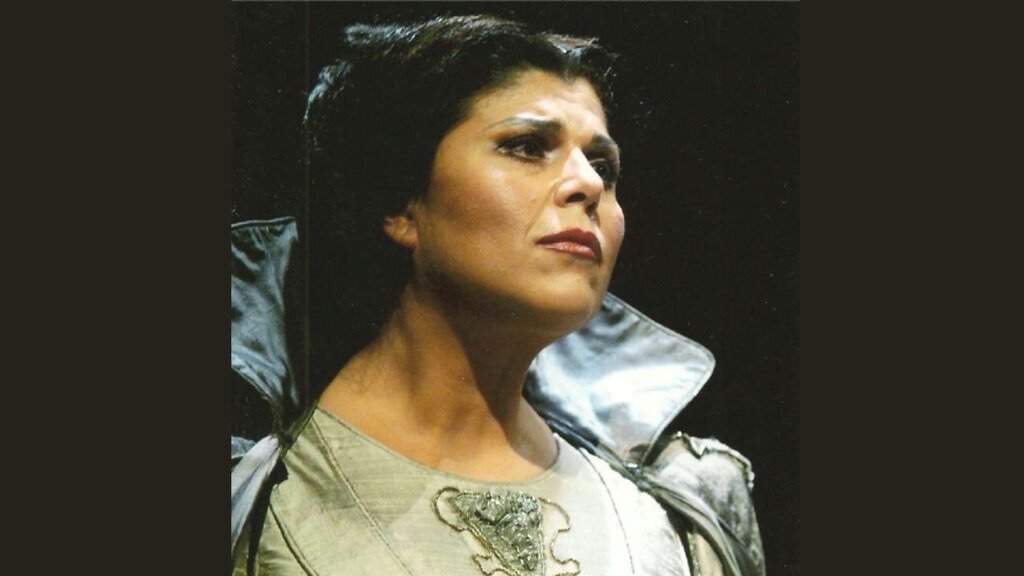
PHOTO operasofia.bg
She subsequently appeared on some of the world’s most renowned stages, including those in London, Barcelona, Berlin, Paris, Leipzig, Munich, Düsseldorf, Bremen, Graz, Zurich, Lausanne, Brussels, Monte Carlo, Nice, Madrid, Athens, Melbourne, Sydney, Buenos Aires, Las Palmas, Montevideo, San Diego, Tokyo and Seoul. She has worked with many of the greatest conductors and directors of our time. Her life and career have been marked by both challenges and optimism.
Extremely energetic and optimistic, Pencheva has often said that she is not afraid of risk and enjoys ‘jumping in at the deep end’. Over the course of her distinguished career, she has met many exceptional singers.
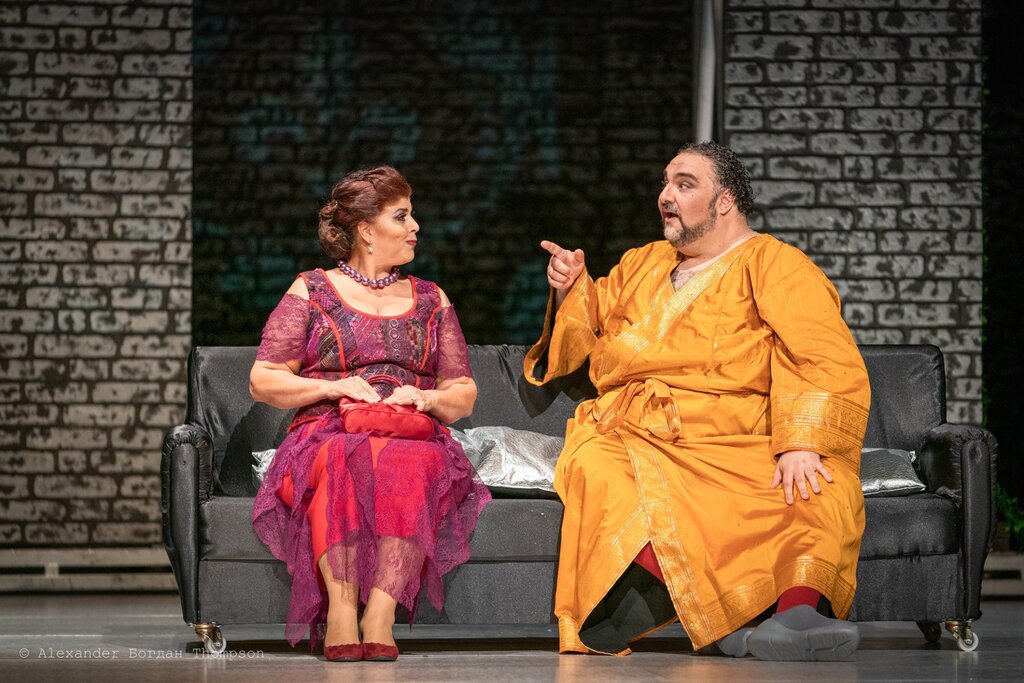
PHOTO State opera-Plovdiv
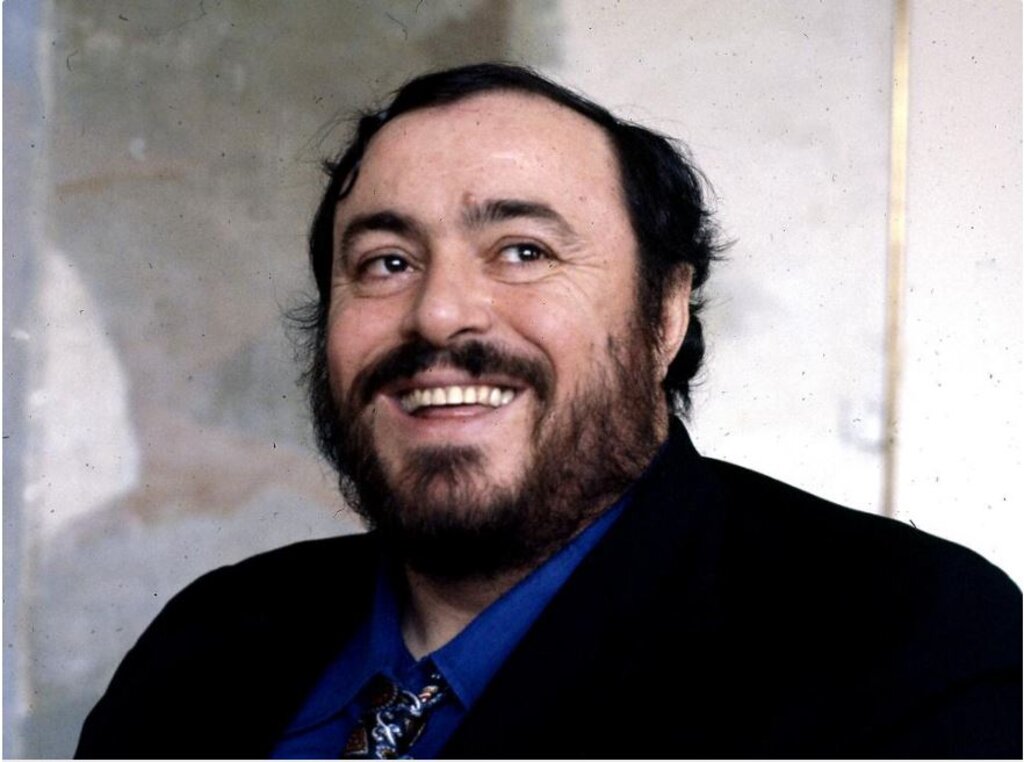
The first name that comes to mind is Luciano Pavarotti.
‘I met him several times. Our first encounter was at the Pavarotti Competition, where I was fortunate to be one of the winners. Having listened to Pavarotti sing, and knowing what I value in singing, I simply thought to myself: “There’s no other way — he’ll like me; he can’t not like me!”’
At the finals in Philadelphia, Pavarotti asked each mezzo-soprano to sing only the slow section of the aria from La favorita.
‘At that moment I thought, “Oh, I know what Pavarotti wants!” I could sense it — I knew he wanted to hear how well a mezzo-soprano could sing legato.’
Luciano Pavarotti
PHOTO BTA
Mariana chose the aria from La favorita for her first audition, much to Pavarotti’s delight. After the competition, Donizetti’s opera was staged at Opera Philadelphia with the prizewinners, and Mariana sang the role of Leonora.
But how did this modest young woman — whose mother was a folk singer and whose father a national weightlifting champion — reach the world stage alongside partners such as Pavarotti?
‘The truth is that you have to believe in yourself. We are all born the same, regardless of how luxurious our lives are. What matters is what you want, what you feel you can do, and how far you believe you can go. If a singer has the necessary qualities, believes in themselves, and has good mental health and strong nerves, they can achieve great things,’ says Mariana.
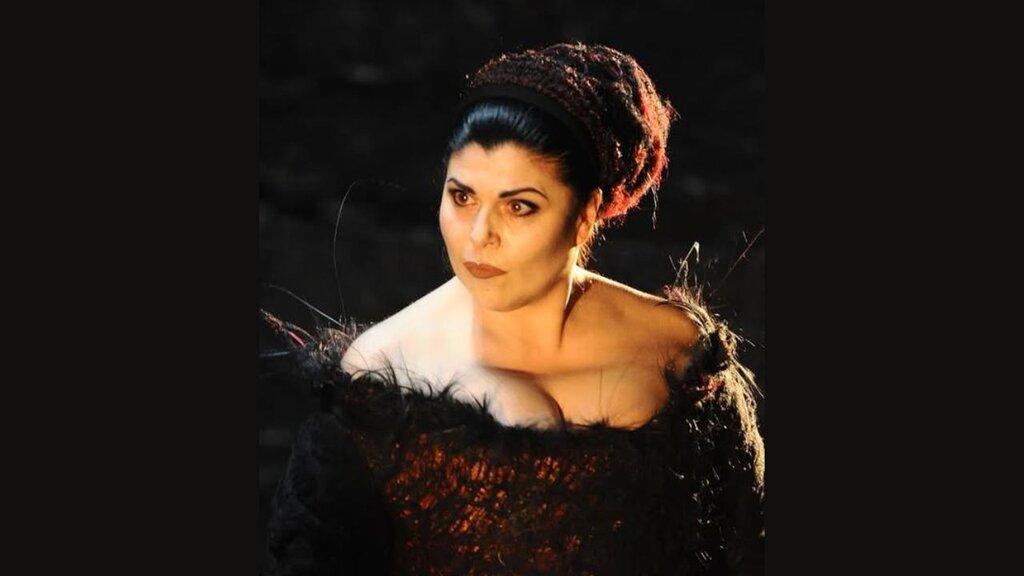
PHOTO State opera-Plovdiv
It was the great conductor Riccardo Muti who discovered her for La Scala, where she made her debut, and she remained one of his favourite soloists for many years.
‘Maestro Muti is an epic conductor. He loved working with young singers. I sang with him for eight or nine seasons, and he often invited me to perform. I adore Maestro Muti! I have never encountered another conductor with such extraordinary power and emotional mastery. Working with him was a tremendous responsibility, but also a great joy. When he likes and accepts a singer, he is anything but difficult to work with. He is absolutely good-natured, constantly joking, and rehearsals with him are always extremely pleasant. Of course, he demands a great deal. He is not a conductor who merely jokes and twiddles his thumbs; he always works with an exceptional sense of humour. I was one of those who responded to his jokes — I joked back.’
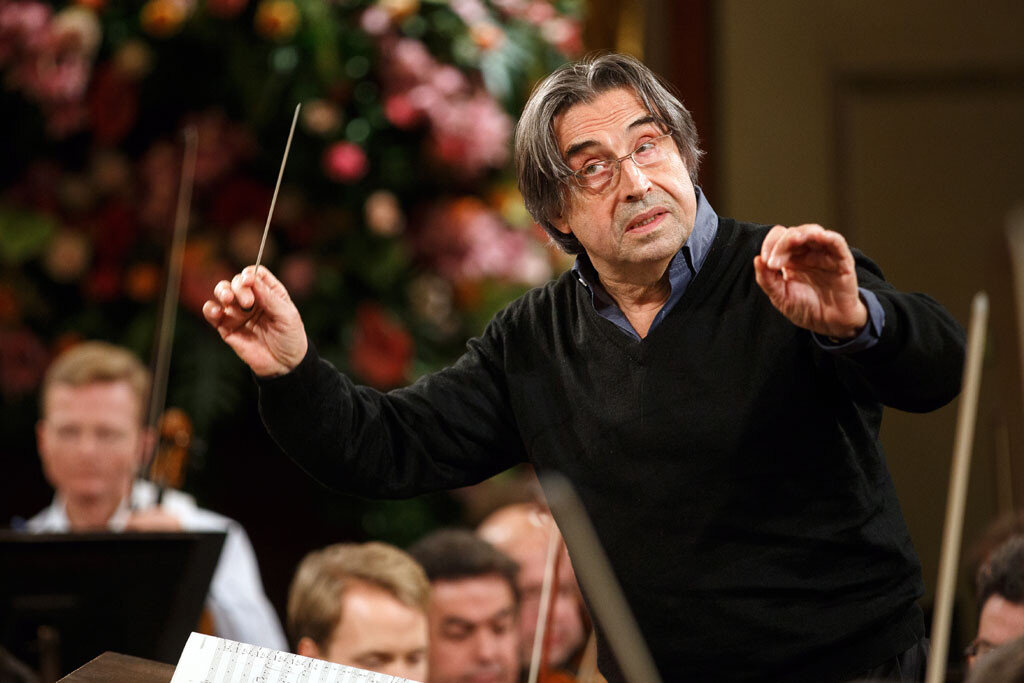
Riccardo Muti
PHOTO BNR
Since 2015, Mariana Pencheva has been teaching at the Music Academy in Sofia. She chose Bulgaria over Italy because she is Bulgarian and feels deeply connected to her roots and to the people she loves most. She seeks to teach her students total dedication to their profession, as well as the joy of performing.
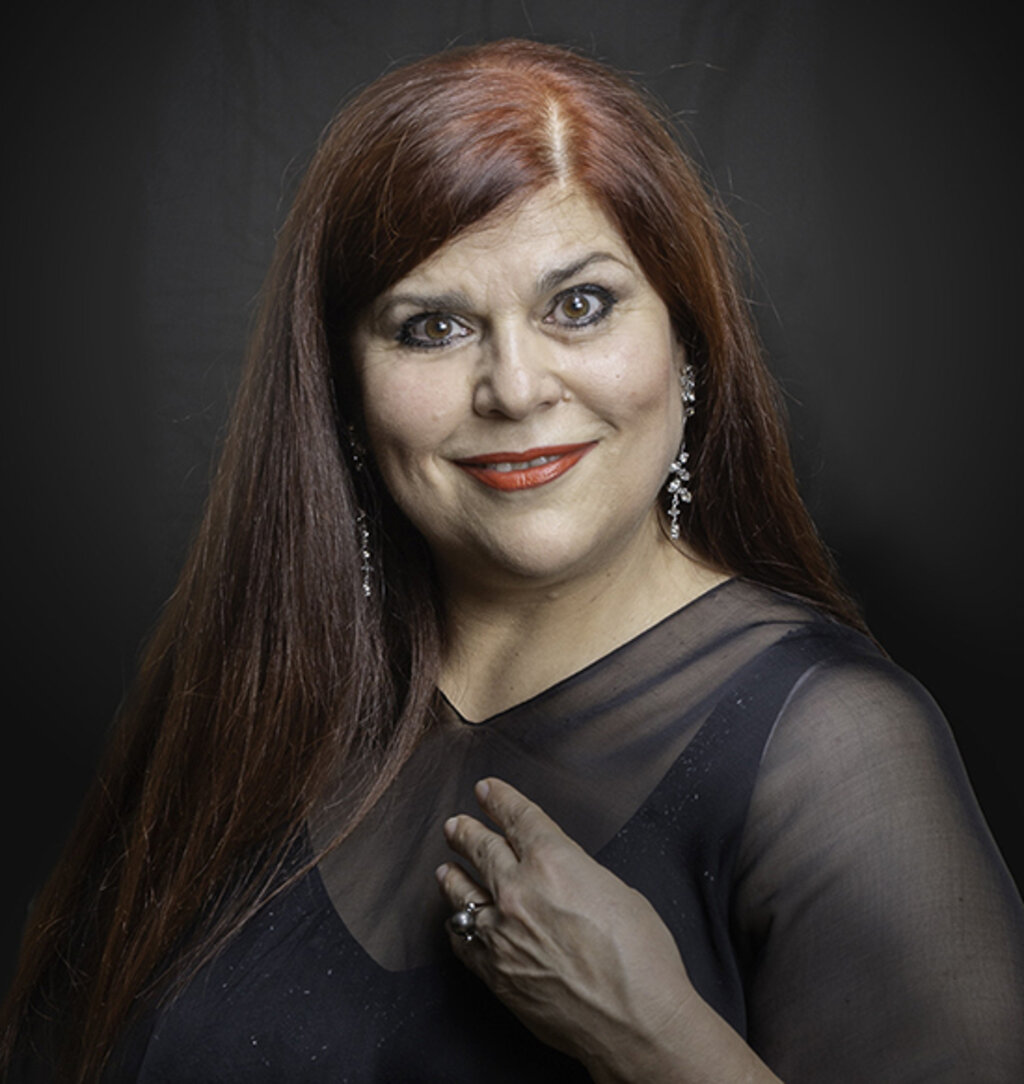
PHOTO State opera-Plovdiv
Days after her birthday, she wishes herself ‘good health and inspired students’. And for Bulgaria and the Bulgarians, she hopes ‘that we learn to have more civilised relationships, greater tolerance, and that most people develop a richer inner world. This is why culture is so important. I hope the nation will not be left without spirit… we must preserve our spirituality.’
Editor: Elena Karkalanova
Posted in English by E. Radkova
This publication was created by: Elizabeth Radkova