Radio Bulgaria


News
A Lesson on Bulgaria… with the Abagar Bulgarian school in Rome, Italy
A journey along the Bulgarian Black Sea coast
Wednesday 4 February 2026 07:30
Wednesday, 4 February 2026, 07:30
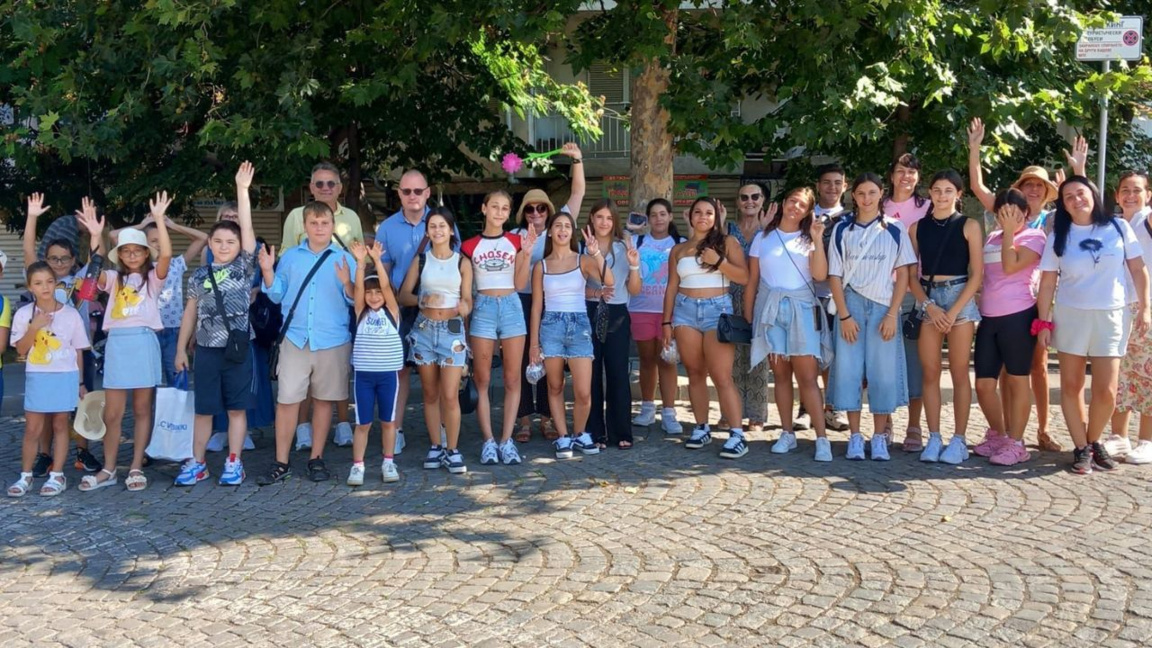
PHOTO the Abagar Bulgarian school in Rome
Font size
Did you know that Abagar is the first book printed in the modern Bulgarian language? Published in Rome in 1651, it was a small breviary created by Filip Stanislavov, a scholar who later became the Catholic bishop of Nikopol. The five-page booklet contained prayers and blessings for the spiritual needs of Catholics in Bulgaria and was often carried as an amulet.
Beyond its religious use, Abagar also represents the enduring cultural and spiritual ties between Bulgaria and Italy — a connection that, this school year, continues to be nurtured by eleven Bulgarian Sunday schools and their branches across Italy. One of these centres in Rome has chosen to honour Filip Stanislavov’s legacy as its patron.
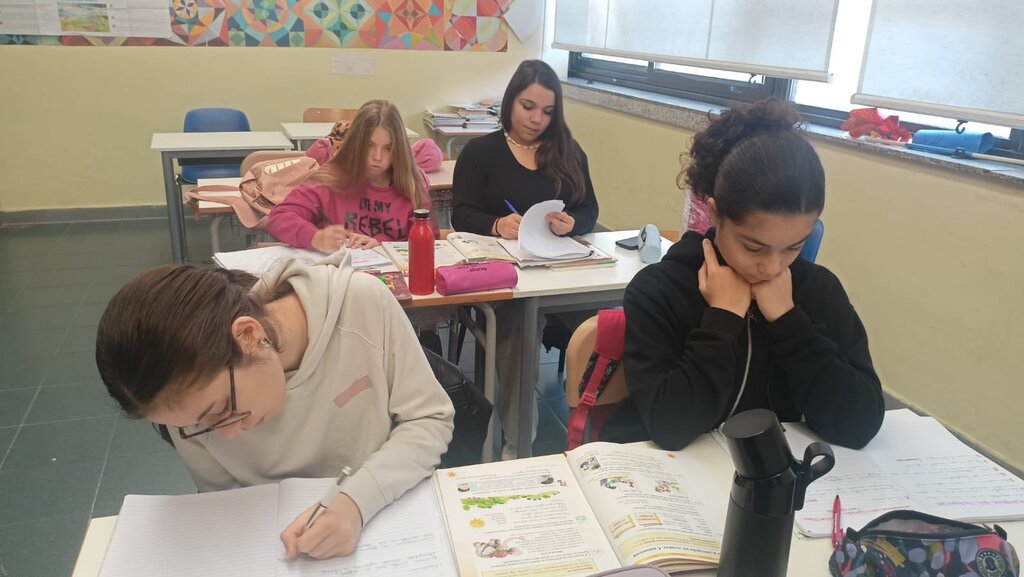
PHOTO The Abagar Bulgarian school in Rome
The story of the Bulgarian Sunday School Abagar begins in the towns of Nettuno and Ladispoli, about 70 km from Rome, which are home to sizeable Bulgarian communities. In 2020, the school opened two branches there. “Due to high interest from parents, we also opened a branch in Rome the following school year,” the school’s director, Natalia Bosolova, told Radio Bulgaria. She proudly notes that enrolment reached 107 students by the 2025/26 school year, 14 more than the previous year.
Ms Bosolova says an increasing number of children of Bulgarian parents are being born abroad. For them, Bulgarian is no longer a native language but a second language that must be learned. Ninety percent of students across the three branches of Abagar were born outside Bulgaria, and nearly half come from mixed marriages. Many do not visit Bulgaria until later in life, which is why Natalia and her team see it as their mission to instill a love for their homeland, alongside the attachment they naturally feel to Italy, where they were born. Parents and extracurricular activities at the school play an invaluable role in this mission.

Natalia Bosolova
PHOTO Facebook /Natalia Bosolova
“Our extracurricular activities have always aimed to involve parents as part of the school community. Over the years, this has led to our annual school trips, which parents join. Interest has always been very high. Through these trips, we aim to build a tangible connection between Bulgaria and Italy while also highlighting the traditions we share. For the past two years, we have also organised trips to Bulgaria as part of the Ministry of Education’s ‘Educational Routes’ programme. These journeys are an integral part of our extracurricular work,” explained the school’s director.
These trips to explore their roots are an important part of learning about patriotism. They help students develop a fuller understanding of Bulgaria and create unforgettable memories. You can see this for yourself in the short video we have compiled, which brings together photos and impressions shared by students from BNU “Abagar” as part of our ‘Lesson on Bulgaria’ initiative.
The first route under the ‘Educational Routes’ programme was undertaken by Abagar in July 2024.
‘The route was a continuation of a project funded by the Ministry of Education and Science, in which we introduced Bulgaria’s old capitals to the Bulgarian community, as well as to our Italian guests. It was a wonderful opportunity for the children to experience these cities for themselves through the ‘Educational Routes’ programme. We visited Veliki Preslav, Shumen and Veliko Tarnovo,” said Natalia Bosolova.
In August 2025, a group of 23 children (from first to twelfth grade, three of whom travelled at their own expense) returned 'home' to Bulgaria, starting their journey in Plovdiv. The ancient city offered the children a vivid connection to history, linking the stories of the past to ancient Rome and the surrounding regions, where many of their families originally come from.
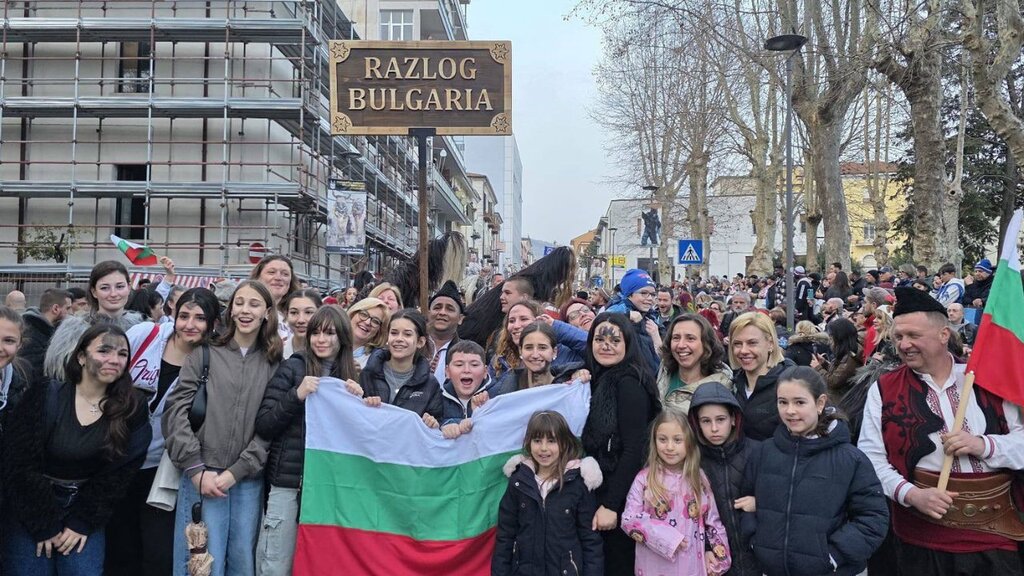
PHOTO The Abagar Bulgarian school in Rome
‘One of the most impressive sites we visited was the Ancient Theatre, one of the best-preserved Roman theatres in the world,’ said Nicole, one of the students. ‘I learned that it was built in the First Century AD during the reign of Emperor Trajan and could hold between 5,000 and 7,000 spectators. From the theatre, the view of the city and the surrounding hills is breathtaking — a panorama that shows why Plovdiv is one of the most beautiful cities in the Balkans.”
The students were constantly looking for similarities and differences with places they knew in Rome, and they were extremely curious, recalls Bosolova.
After Plovdiv, the group travelled to the Bulgarian Black Sea coast, where Old Nessebar and the salt pans near Burgas captivated the children the most.
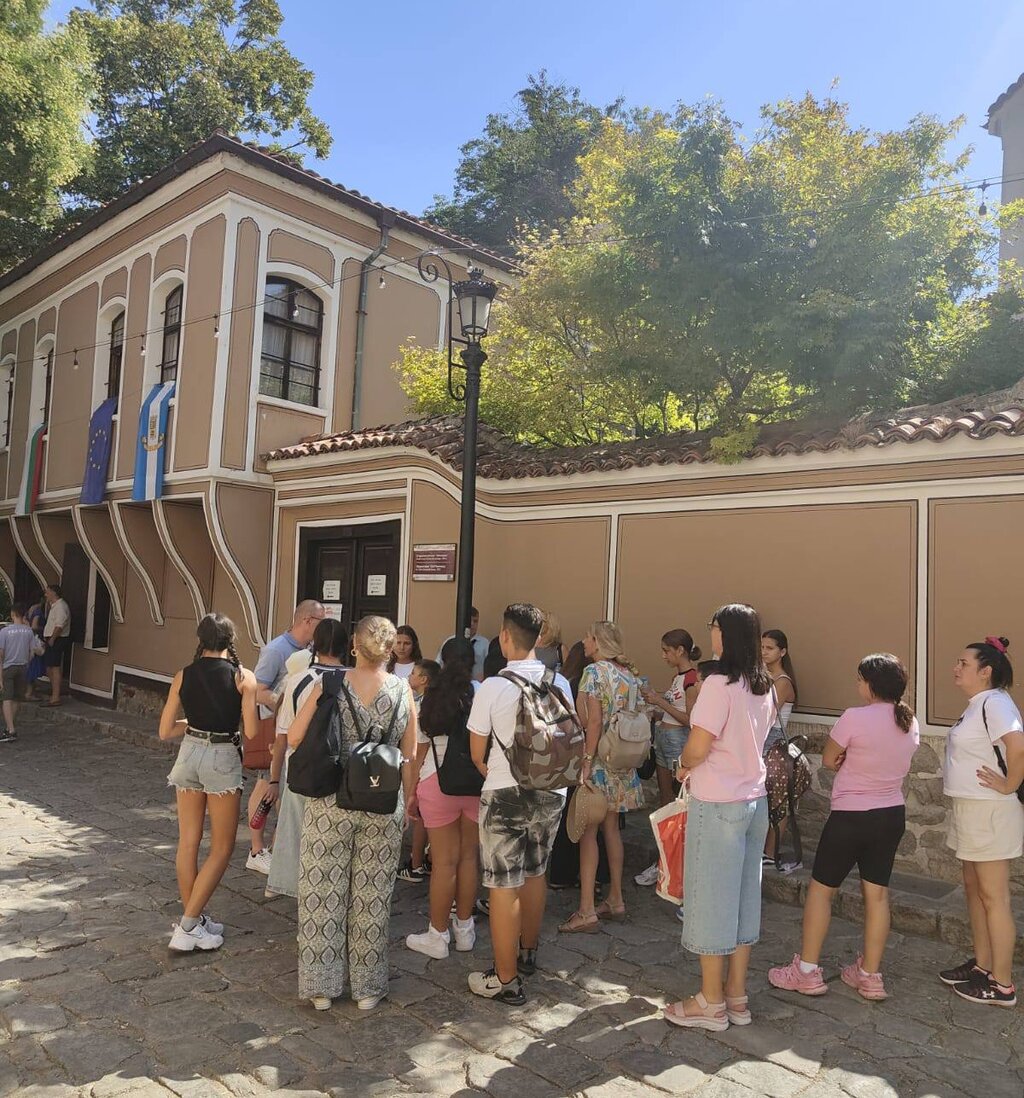
PHOTO The Abagar Bulgarian school in Rome
'This summer, we were lucky enough to visit Nessebar, one of the oldest towns in Bulgaria. My classmates and I explored the Old Nessebar Museum and wandered along the narrow stone streets. It felt as if time had stood still — it was wonderful,” said Mateo, a student at the Abagar Sunday School.
Emma Karli shared her own unforgettable impressions:
‘It was fascinating to see Aheloy because we had learnt about the Battle of Aheloy in history class — it was incredible to stand where something so significant had actually happened. I also really enjoyed it because it was close to Burgas, and we saw the sea, which was calm and beautiful. We also visited Pomorie, a town famous for its therapeutic mud and grape production. We went to the Salt Museum in Pomorie — the only museum of its kind in Eastern Europe dedicated to sea salt production. I bought a jar of salt as a souvenir because I love the Black Sea and wanted something to remind me of it when I returned to Rome. It was a really fun trip, and I would do it again.”
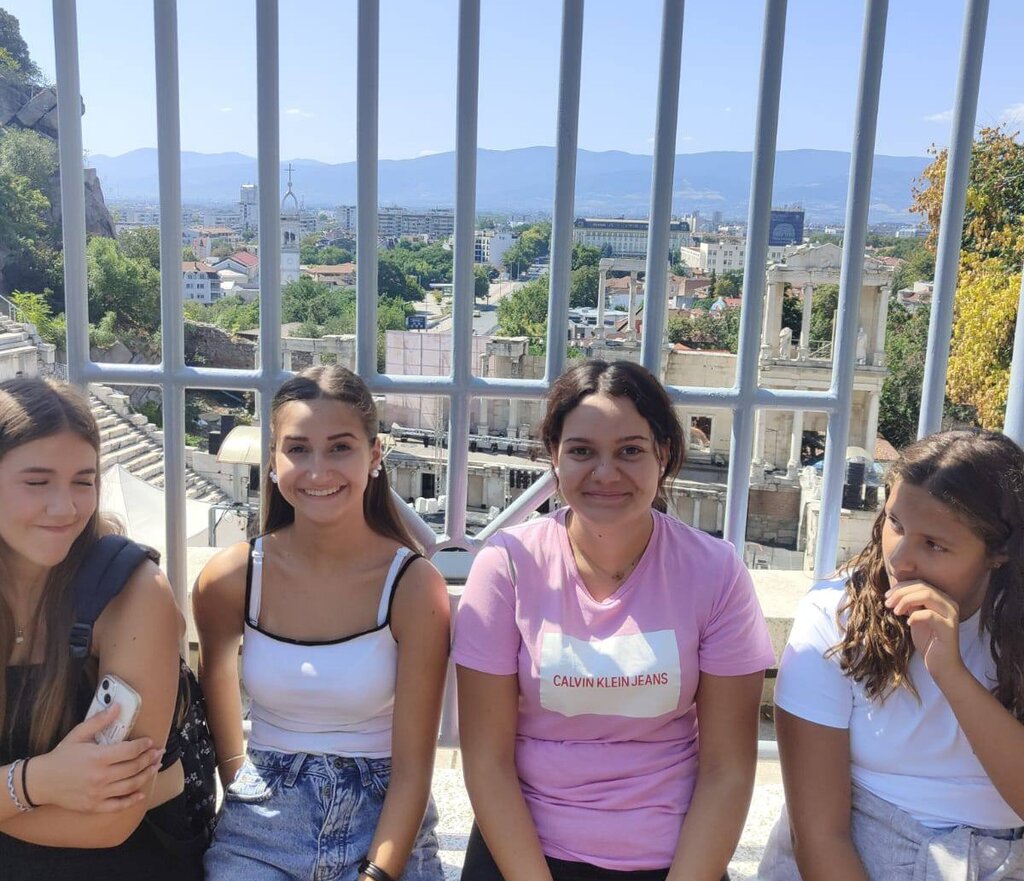
PHOTO The Abagar Bulgarian school in Rome
Alexandra reflected on the wider meaning of the experience:
‘Bulgaria is not just a place on the map — it is memory, spirit and beauty, and it must be preserved.’ Her words highlight the profound purpose of programmes like 'Educational Routes': to give children growing up in multicultural environments a personal connection to their heritage and a way to keep their roots alive.
Editor: Elena Karkalanova
Posted in English by E. Radkova
This publication was created by: Elizabeth Radkova